
OurCommunity
Symposiasts 2026

Amy Pöppel
Novelist; Lecturer

Amy Pöppel
Novelist; Lecturer
Amy Poeppel is the award-winning author of the novels Far and Away, The Sweet Spot, Musical Chairs, Limelight, and Small Admissions. Her novel The Sweet Spot is currently in development for film. Her writing has appeared in The New York Times, The Rumpus, Literary Hub, and Working Mother.
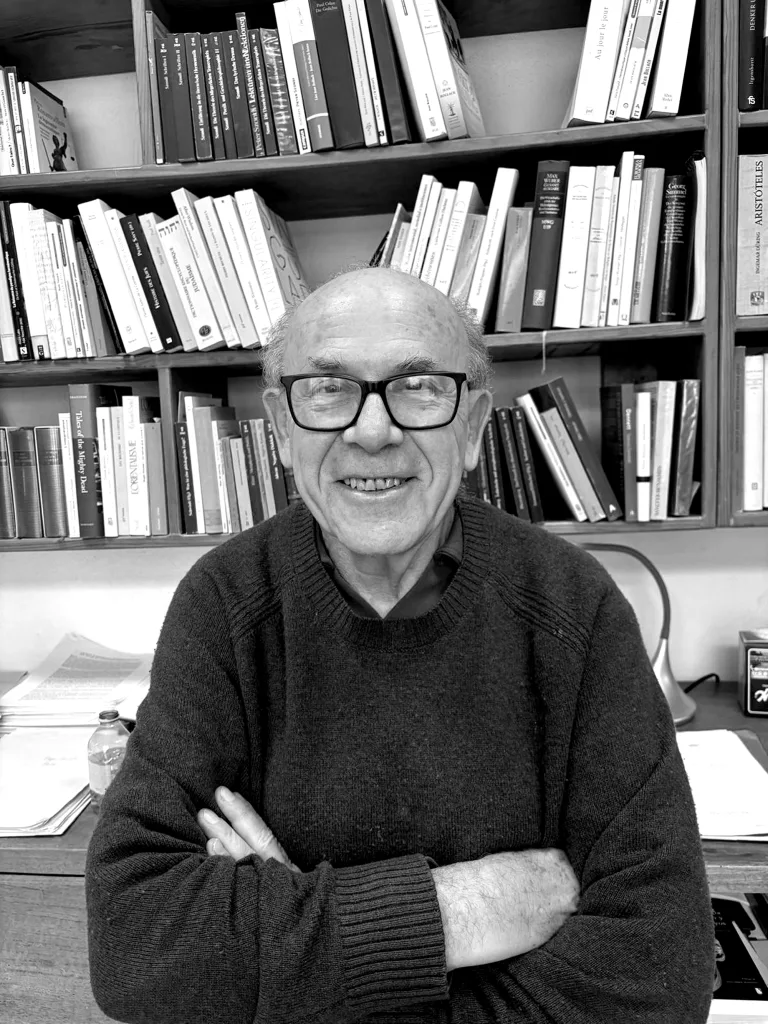
André Laks
Emeritus Professor of Philosophy, Sorbonne University; Professor, Universidad Panamericana
André Laks
Emeritus Professor of Philosophy, Sorbonne University; Professor, Universidad Panamericana
André Laks (1950) has been Professor for Ancient Greek and Ancient Philosophy at the University of Lille, Princeton University, and Paris- Sorbonne, before retiring in 2011 to Mexico, where he currently teaches at the Universidad Panamericana, Campus Mexico. He has been fellow at the Center of Hellenic Studies (Washington, 1989), the Wissenschaftkolleg (Berlin, 2000/2001), the Center for Human Values and the Seeger Center for Hellenic Studies at Princeton (2018), the Max Plack Institute für Wissenschaftsgeschichte (Berlin, 2025). He is the author The Concept of Presocratic Philosophy, Its Origin, Development and Significance (Princeton UP, 2018), and co-author with Glenn W. Most of the nine-volume Loeb Early Greek Philosophy (Harvard UP, 2016).
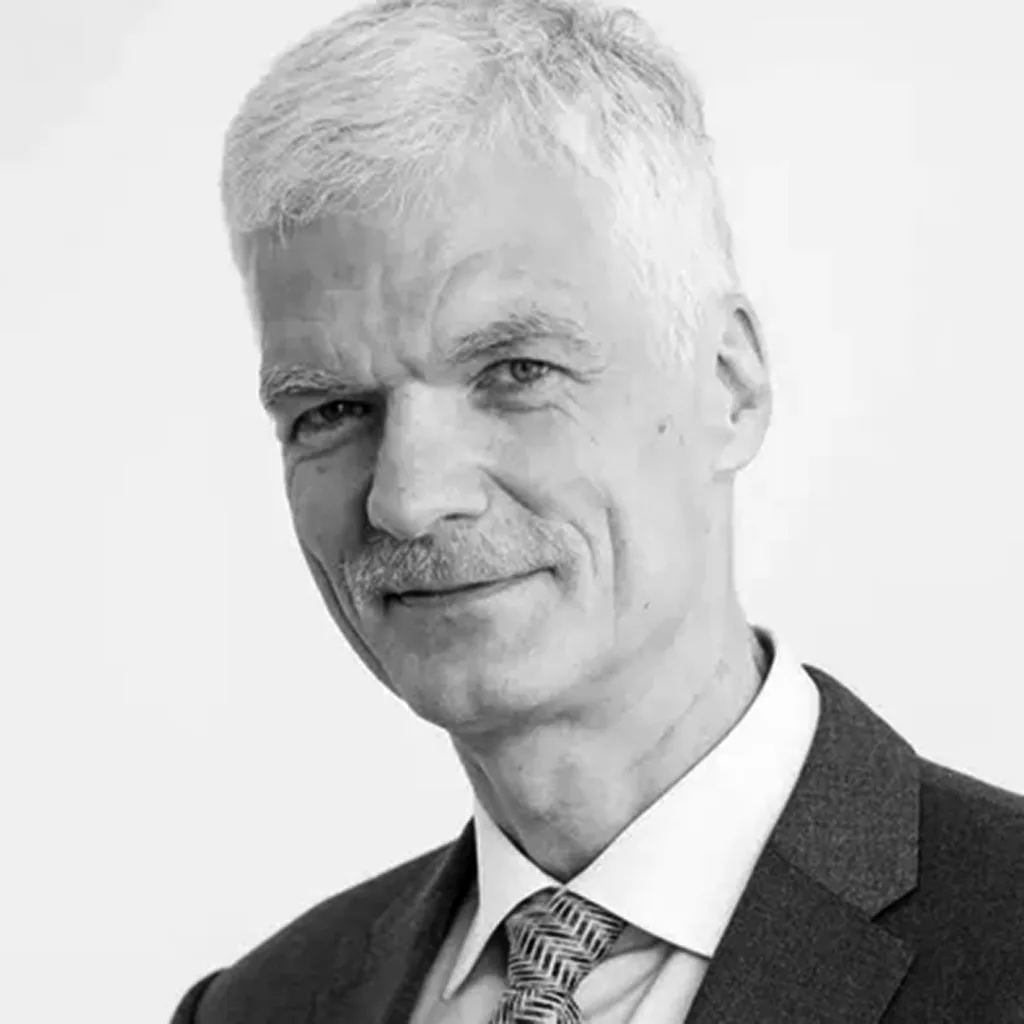
Andreas Schleicher
Director for Education and Skills, OECD
Andreas Schleicher
Director for Education and Skills, OECD
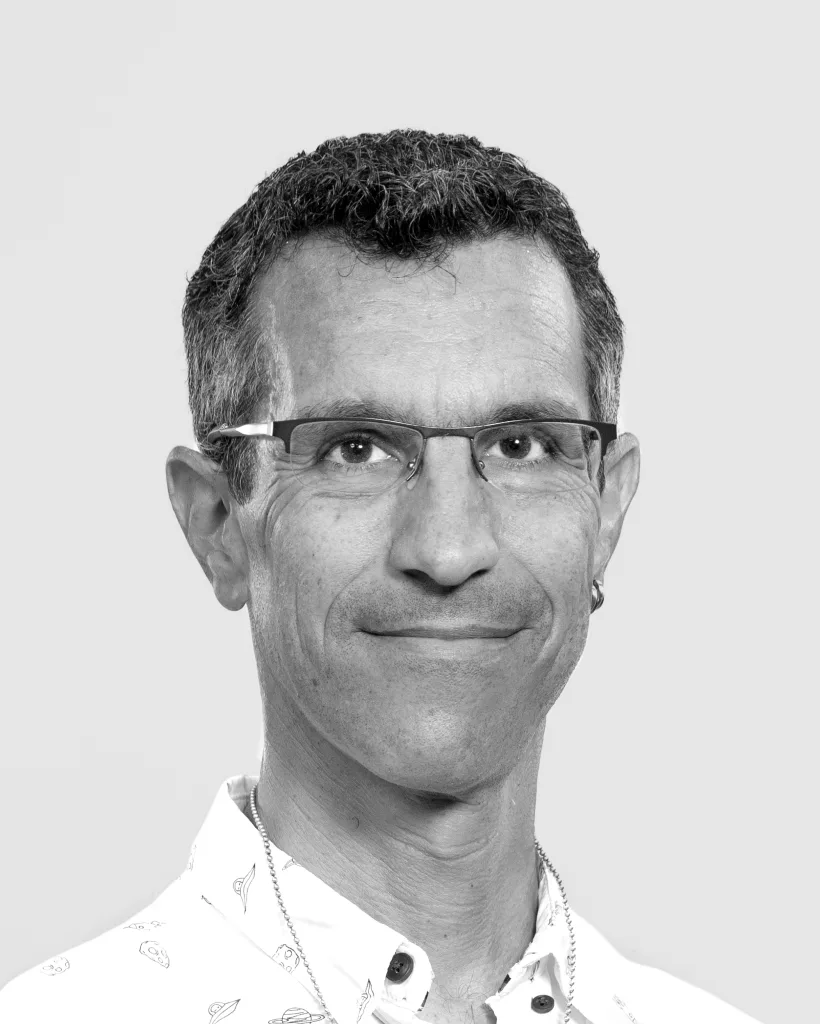
Arnon Hershkovitz
Assistant Professor, School of Education, Tel Aviv University
Arnon Hershkovitz
Assistant Professor, School of Education, Tel Aviv University
He is the Head of the Department of Mathematics, Science, and Technology Education; and leads the graduate program "Technology & Learning". He serves as Tel Aviv University’s Vice Dean of Innovation in Teaching and Learning. He holds a B.A. in Mathematics and Computer Science, an M.A. in Applied Mathematics (both from the Technion - Israel Institute of Technology), and a Ph.D. in Science Education (Tel Aviv University). He is mostly interested in the use of data in education, both in practice and in research. As such, he has been using Learning Analytics to study skills required by learners and instructors in the digital age, specifically computational thinking, creativity, and feedback; also, he has been studying data-driven decision making in education.
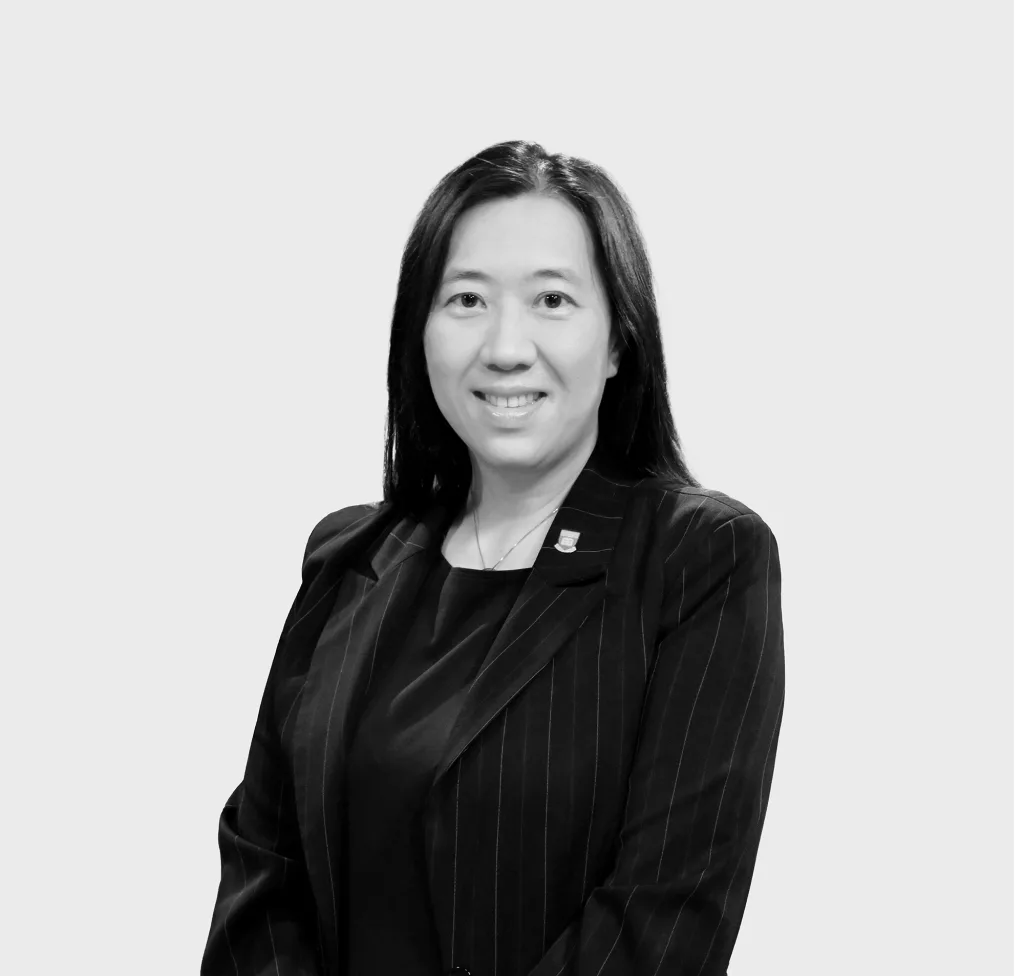
Cecilia Chan
Professor and Associate Dean (Teaching and Learning), The University of Hong Kong
Cecilia Chan
Professor and Associate Dean (Teaching and Learning), The University of Hong Kong
Professor Cecilia K. Y. Chan is an internationally recognised leader in artificial intelligence (AI) in education and holistic competency development. She is ranked #52 globally in Education and among the Top 2% of scientists (Stanford–Elsevier, 2025). She is Founding Director of the Teaching and Learning Innovation Centre (TALIC) and Professor at the Faculty of Education at the University of Hong Kong. She has published extensively in leading journals such as Educational Research Review and the International Journal of Educational Technology in Higher Education. She has received over 60 million dollars in research funding across over 40 projects.
danah michele boyd
Founder, Data & Society Research Institute; Geri Gay Professor of Communication at Cornell University
danah michele boyd
Founder, Data & Society Research Institute; Geri Gay Professor of Communication at Cornell University
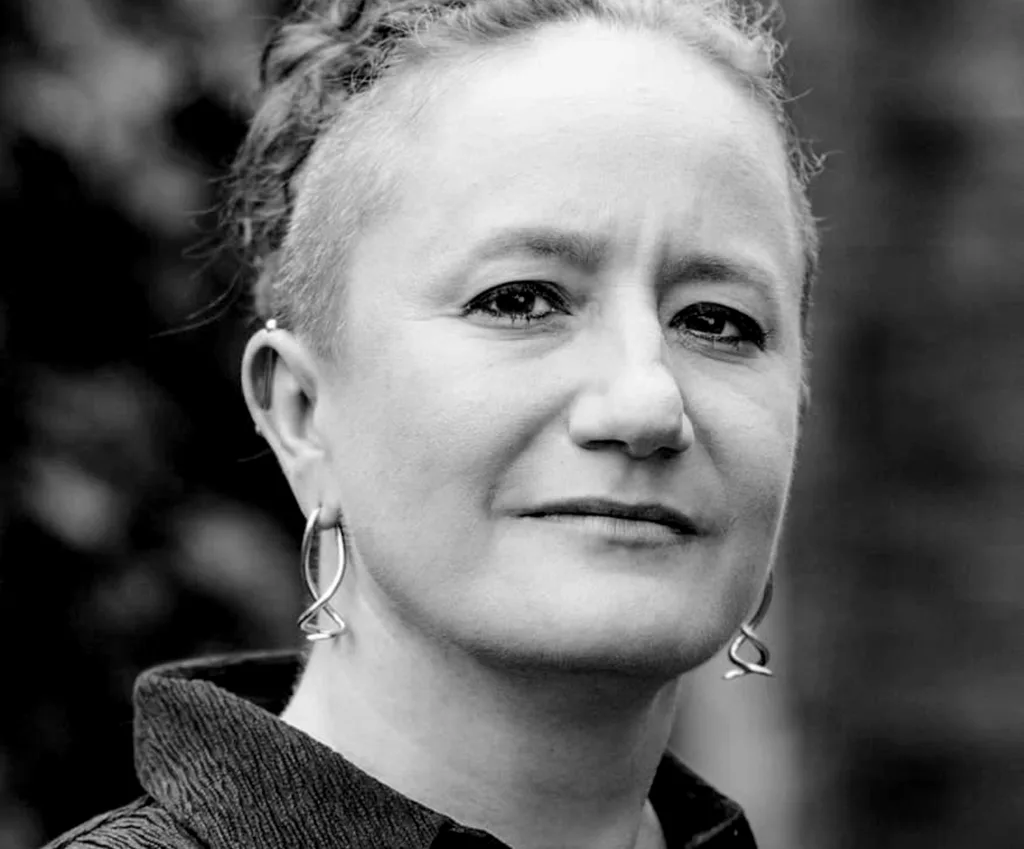
danah boyds research focuses on the intersection of technology and society. Her upcoming book "Data are Made, Not Found: A Story of Politics, Power, and the Civil Servants Who Saved the US Census" is an ethnography of the US Census Bureau, Jenga politics, and the struggle to make democracy's data. Her monograph "It's Complicated: The Social Lives of Networked Teens" explores teens' use of social media. She founded the research institute Data & Society. She is also a Sloan Research Fellow, a fellow of AAAS, a non-residential fellow at the Center for Democracy and Technology, a trustee of the Computer History Museum, and a member of the Council on Foreign Relations.
Daria Kim
Senior Research Fellow, Max Planck Institute for Innovation and Competition, Munich
Daria Kim
Senior Research Fellow, Max Planck Institute for Innovation and Competition, Munich
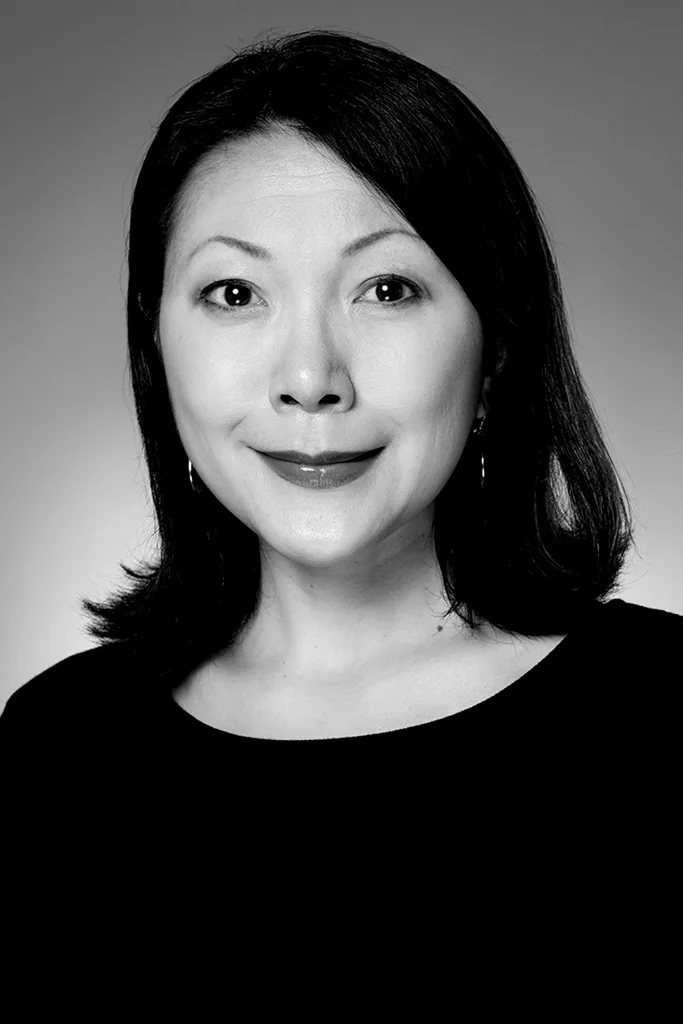
Daria Kim is a Senior Research Fellow at the Max Planck Institute for Competition and Innovation (Munich). She holds an MA from Indiana University of Pennsylvania, an LLM from the Munich Intellectual Property Law Center, and a Dr iur from the University of Augsburg. Her research explores the intersection of law, technology, and society, with a current focus on normative perspectives on enabling technologies – genome editing and artificial intelligence.
David Pöppel
Professor of Psychology and Neural Science, New York University
David Pöppel
Professor of Psychology and Neural Science, New York University
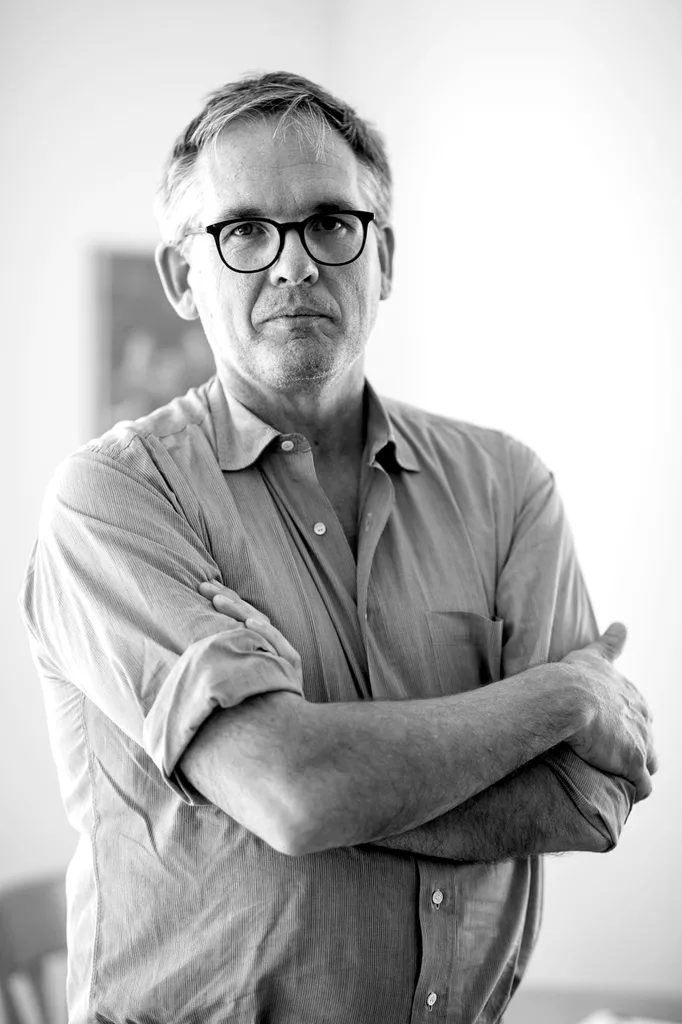
His research focuses on the brain basis of language. His empirical and theoretical work aims to provide a mechanistic understanding of the links between neurobiology and cognition. His most significant contribution is the large number of PhD students and postdocs who have become impactful contributors to the field. Trained at MIT in cognitive science, linguistics, and neuroscience he did his postdoc at the UCSF (functional brain imaging). From 1998 until 2008, he was a professor in the linguistics and biology departments at the University of Maryland College Park, then a professor of psychology at NYU. He moved to Germany, as director at the Max Planck Institute for empirical Aesthetics (2015-25) and scientific director and CEO of the Ernst Strüngmann Institute for Neuroscience (2021-24)
Enric Boix-Adsera
Assistant Professor in Statistics and Data Science, Wharton School, University of Pennsylvania
Enric Boix-Adsera
Assistant Professor in Statistics and Data Science, Wharton School, University of Pennsylvania
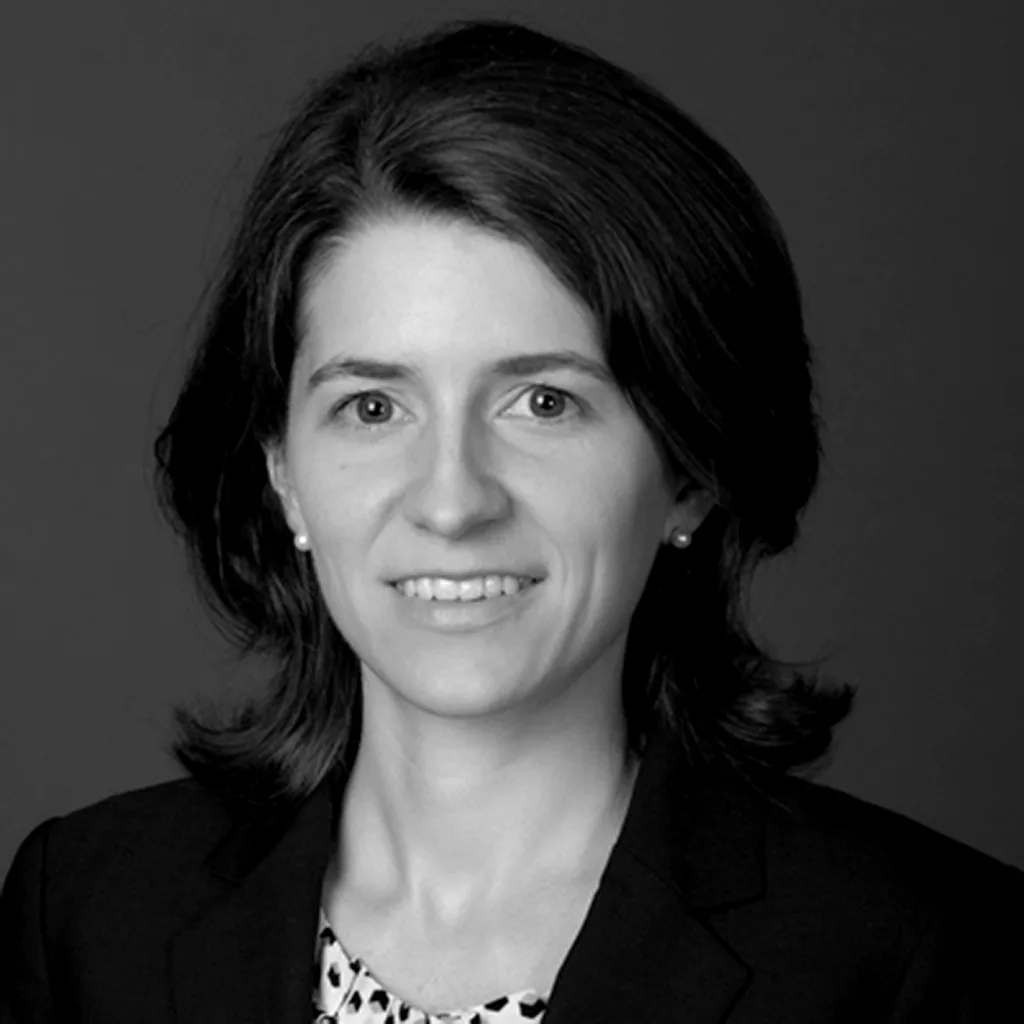
Evelyn Blacklock
Evelyn Blacklock

Fr. Dominic White OP
OP Faculty of Theology, University of Oxford; musician
Fr. Dominic White OP
OP Faculty of Theology, University of Oxford; musician
Dominic White is Director of the new Centre for Theology and the Arts at Blackfriars Hall, University of Oxford, as well as a Research Fellow of the Margaret Beaufort Institute of Theology, Cambridge. He is a Catholic Dominican friar and priest, and Prior of Blackfriars Priory, Oxford. He is the author of The Lost Knowledge of Christ: Christian Cosmology, Contemporary Spiritualities and the Arts (Liturgical Press, 2015); How Do I Look? Theology in the Age of the Selfie (SCM, 2020), and and editor of Towards a Theology of Liturgical Reconciliation: Views from the Pews (St Mary’s University Press, 2025). He is a composer, and co-founder of the Friends of Sophia group.
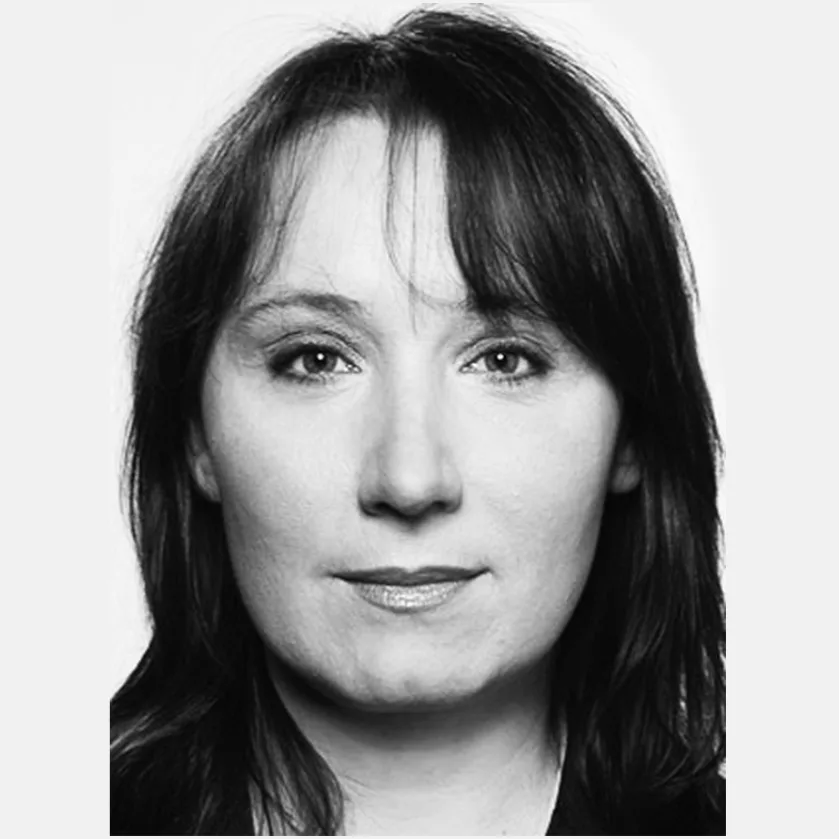
Gabriele Gramelsberger
Professor of Theory of Science and Technology, RWTH Aachen University
Gabriele Gramelsberger
Professor of Theory of Science and Technology, RWTH Aachen University
Gabriele Gramelsberger is professor for theory of science and technology at the RWTH Aachen University. Her research focusses on the transformation of science into computational sciences. Her aim is to develop a conceptual framework for Philosophy of Computational Sciences as well as an open science infrastructure for Computational Science Studies. In 2018 she founded the Computational Science Studies Lab. She is director of the Käte Hamburger Kolleg “Cultures of Research” and a regular member of the North Rhine-Westphalian Academy of Science, Humanities and the Arts. In 2023, she received the K. Jon Barwise Prize 2023 for significant and sustained contributions to areas relevant to philosophy and computing by the American Philosophical Association.
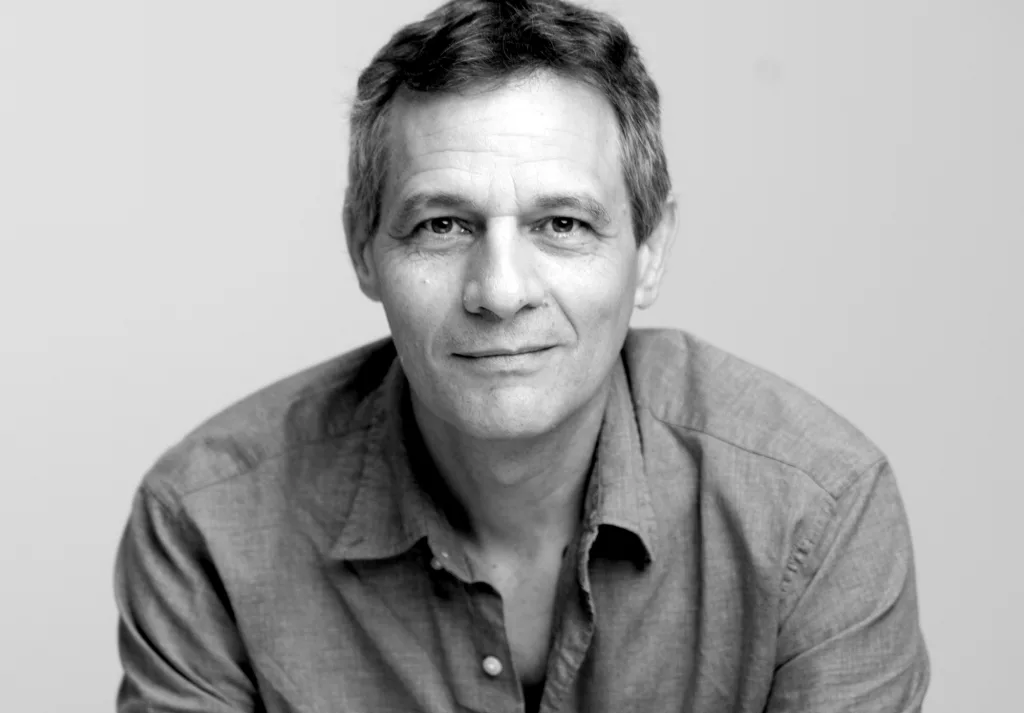
Gal Chechik
Professor of Computer Science at Bar-Ilan University, Senior Director of AI Research at NVIDIA, Israel
Gal Chechik
Professor of Computer Science at Bar-Ilan University, Senior Director of AI Research at NVIDIA, Israel
Gal Chechik is a Professor of Computer Science at Bar-Ilan University and a Senior Director of AI Research at NVIDIA. His current research focuses on learning-based AI for reasoning and perception. In 2018, Gal joined NVIDIA to found and head NVIDIA's research in Israel. Prior to that, Gal was a staff research scientist at Google Brain and Google research developing large-scale algorithms for machine perception, used by millions daily. Gal earned his PhD in 2004 from the Hebrew University, and completed his postdoctoral training at Stanford CS department. Gal authored ~160 refereed publications, including in Nature, Nature Biotech, Cell, PNAS, and ~60 patents, and his work won awards at ICML and NeurIPS.
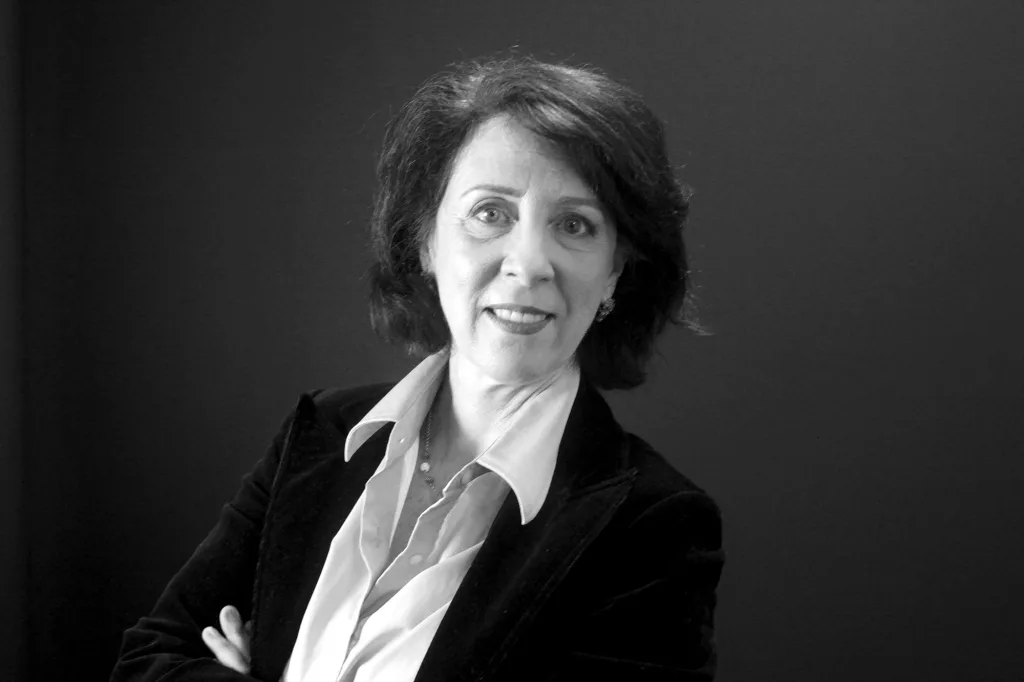
Galit Wellner
Assistant Professor, School of Multidisciplinary Studies, Holon Institute of Technology
Galit Wellner
Assistant Professor, School of Multidisciplinary Studies, Holon Institute of Technology
Galit studies digital technologies and their inter-relations with humans. She is an active member of the Postphenomenology Community. She is the author of A Postphenomenological Inquiry of Cellphones: Genealogies, Meanings and Becoming (Lexington Books, 2015) and translated Don Ihde’s Postphenomenology and Technoscience to Hebrew (Resling 2016). She has co-edited Postphenomenology and Media: Essays on Human–Media–World Relations (Lexington Books, 2017) and The Philosophy of Imagination: Technology, Art, Ethics (Bloomsbury, 2024) and Postphenomenology and Feminist Theory (Bloomsbury 2026). Her research on AI led to her appointment as the academic advisor of the AI Regulation Forum of the Israeli Ministry of Innovation, Science and Technology and a PI at ENSURE-6G, …
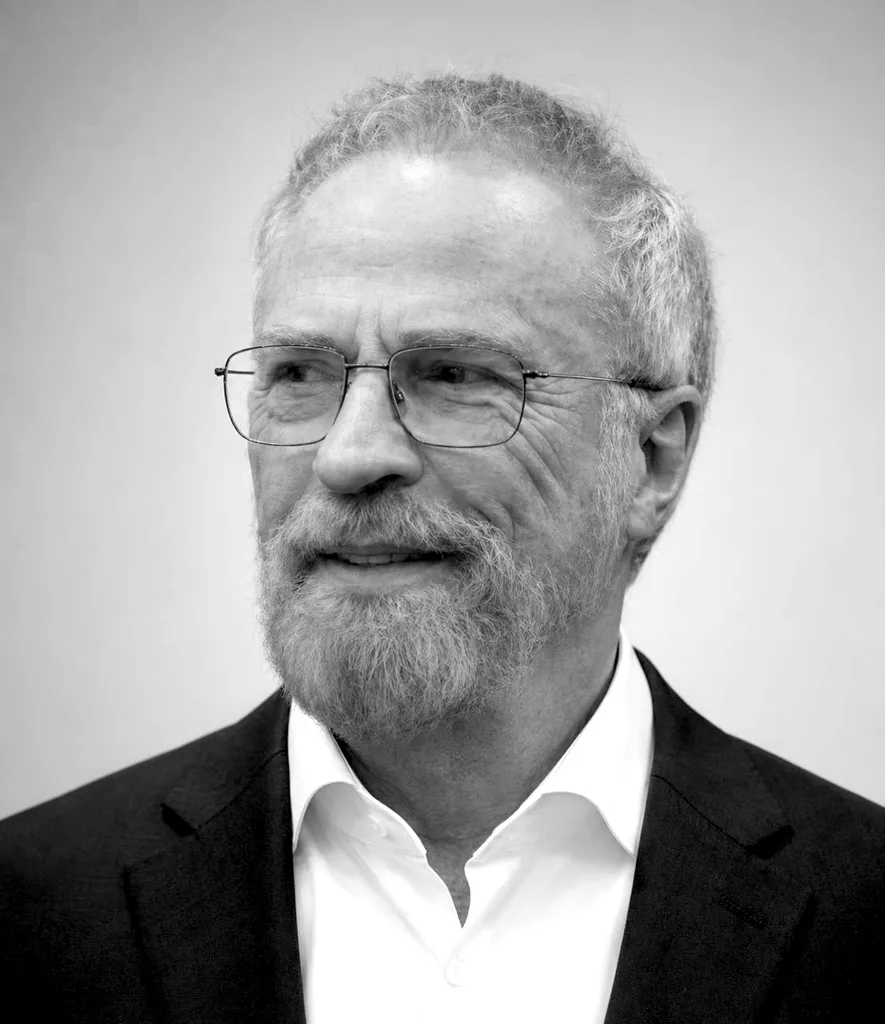
Hans Uszkoreit
Scientific Director at the German Research Center for Artificial Intelligence (DFKI) DFKI Language Technology Lab
Hans Uszkoreit
Scientific Director at the German Research Center for Artificial Intelligence (DFKI) DFKI Language Technology Lab
Hans Uszkoreit led the research department Language Technology and the Berlin DFKI Lab for many years and is currently advising research and collaboration projects. He also assists AI companies as advisor, board member or investor. For more than 40 years, he has worked in Germany, the USA, and China as a university professor, research manager, enterprise consultant and entrepreneur. His main areas of expertise are computational linguistics and AI applications for language and knowledge.
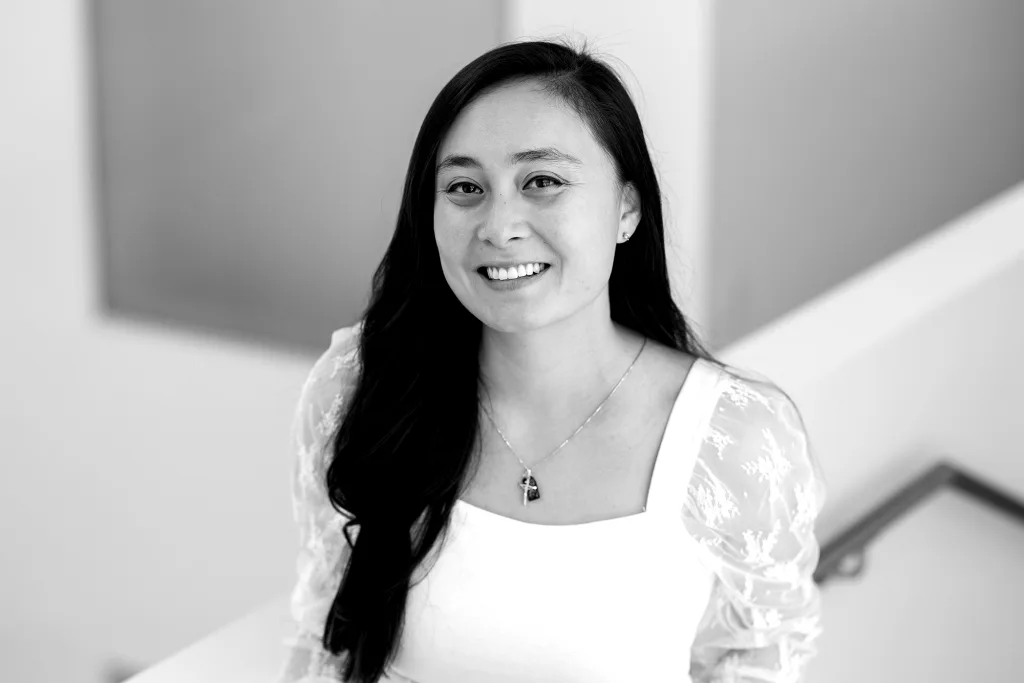
Hope Kean
Postdoctoral Fellow Department of Brain and Cognitive Sciences, MIT
Hope Kean
Postdoctoral Fellow Department of Brain and Cognitive Sciences, MIT
Hope Kean studies the neural architecture of human reasoning. Her research investigates how abstract reasoning is implemented in the human brain, with a particular focus on the relationship between logic, language, and domain-general cognition. Across neuroimaging and lesion studies, working with individuals with global aphasia and cortical malformations, her work has identified a distinct cortical system supporting formal logical reasoning, dissociable from the language network, with implications for long-standing debates about the nature of thought, meaning, and human rationality.
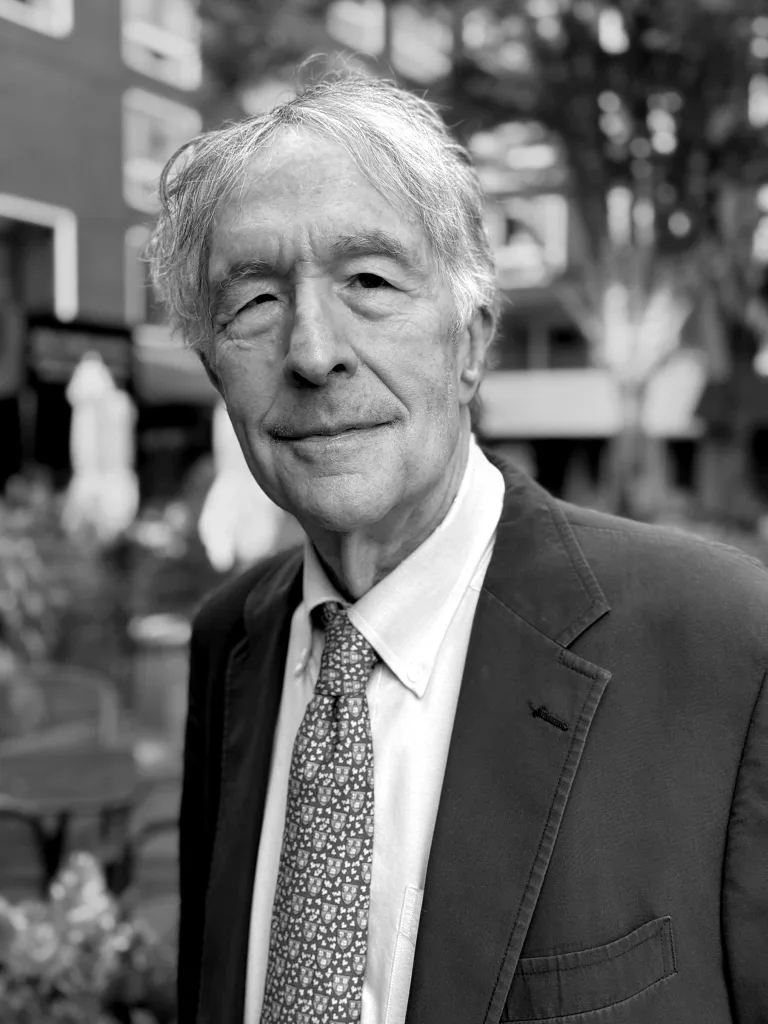
Howard Gardner
Research Professor of Cognition and Education, Harvard Graduate School of Education
Howard Gardner
Research Professor of Cognition and Education, Harvard Graduate School of Education
Howard Gardner is the Hobbs Research Professor of Cognition and Education at the Harvard Graduate School of Education. He is an expert on intelligence, creativity, leadership, and professional ethics; former Co-Director of Project Zero; and co-founder of The Good Project. Both a memoir (A Synthesizing Mind) and a study of higher education co-authored with Wendy Fischman (The Real World of College) were recently published by MIT Press. In 2024, Teachers College Press published a two-volume collection of his work, The Essential Howard Gardner on Mind and On Education. An updated edition of his book Frames of Mind was published by Basic Books in Spring 2026 with a new preface.
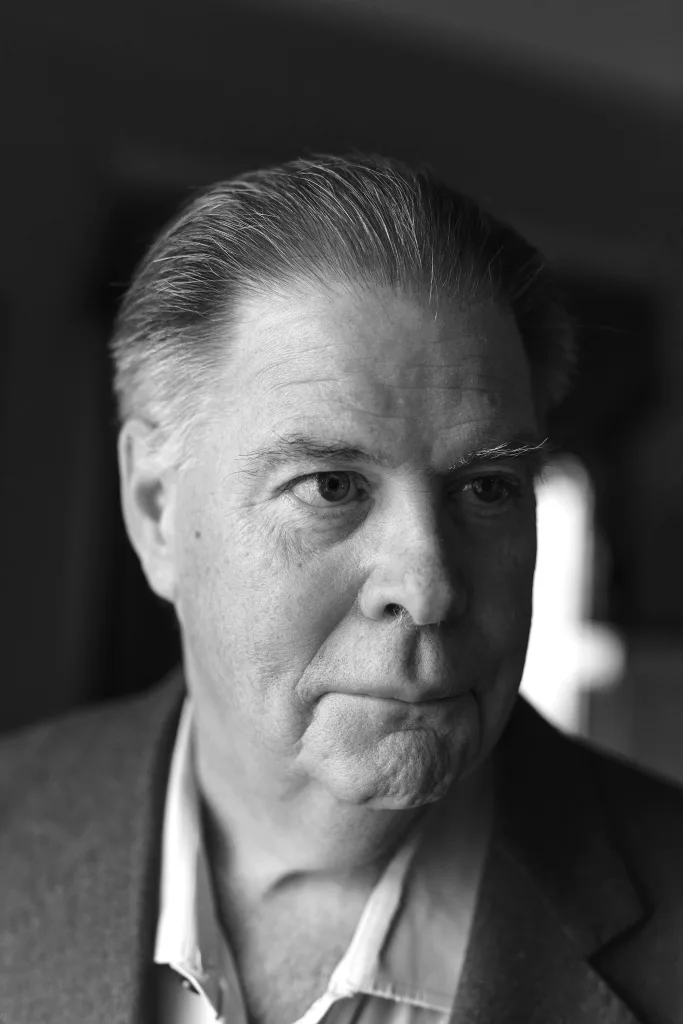
James Hankins
Professor of History, Harvard University; Hamilton School of Classical and Civic Education, University of Florida AI and the Spiritual Life
James Hankins
Professor of History, Harvard University; Hamilton School of Classical and Civic Education, University of Florida AI and the Spiritual Life
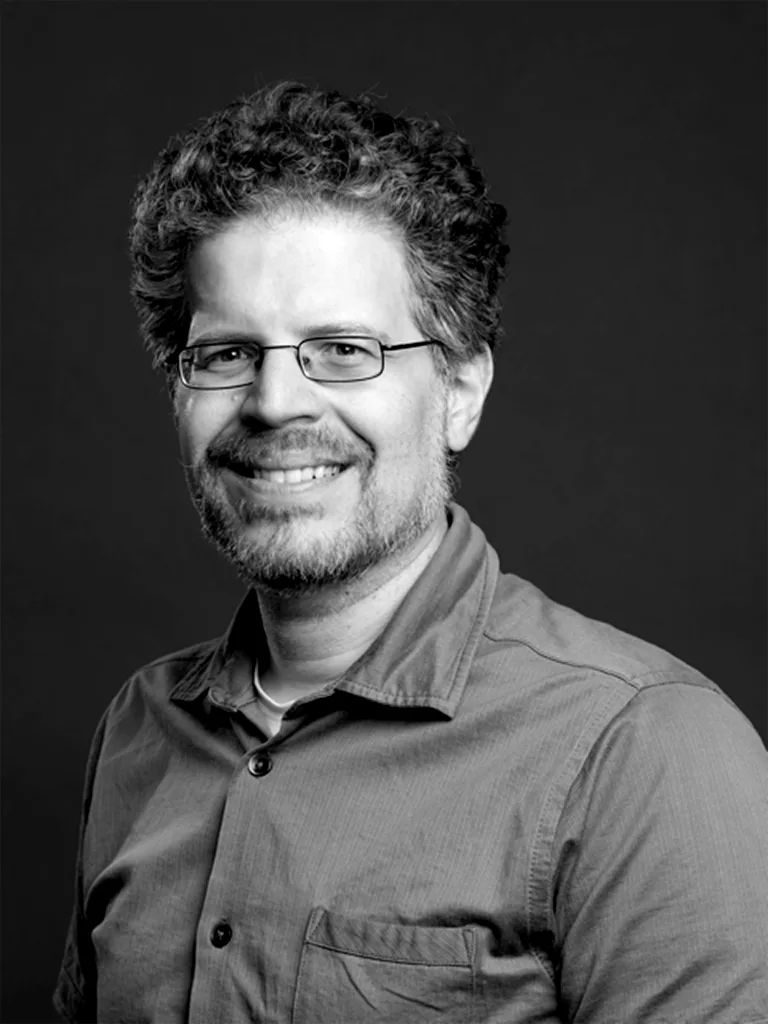
Jamie Cohen-Cole
Associate Professor of American Studies, George Washington University
Jamie Cohen-Cole
Associate Professor of American Studies, George Washington University
Jamie Cohen-Cole is the author of The Open Mind: Cold War Politics and the Sciences of Human Nature. He co-edits the journal History of Social Science. His research and teaching focuses on the intertwined histories of the cognitive, social, and computational sciences. He is working on two books. The first examines what the sciences of child development indicate about scientific cognition. The second concerns effect of artificial intelligence on the social organization and functions of higher education.
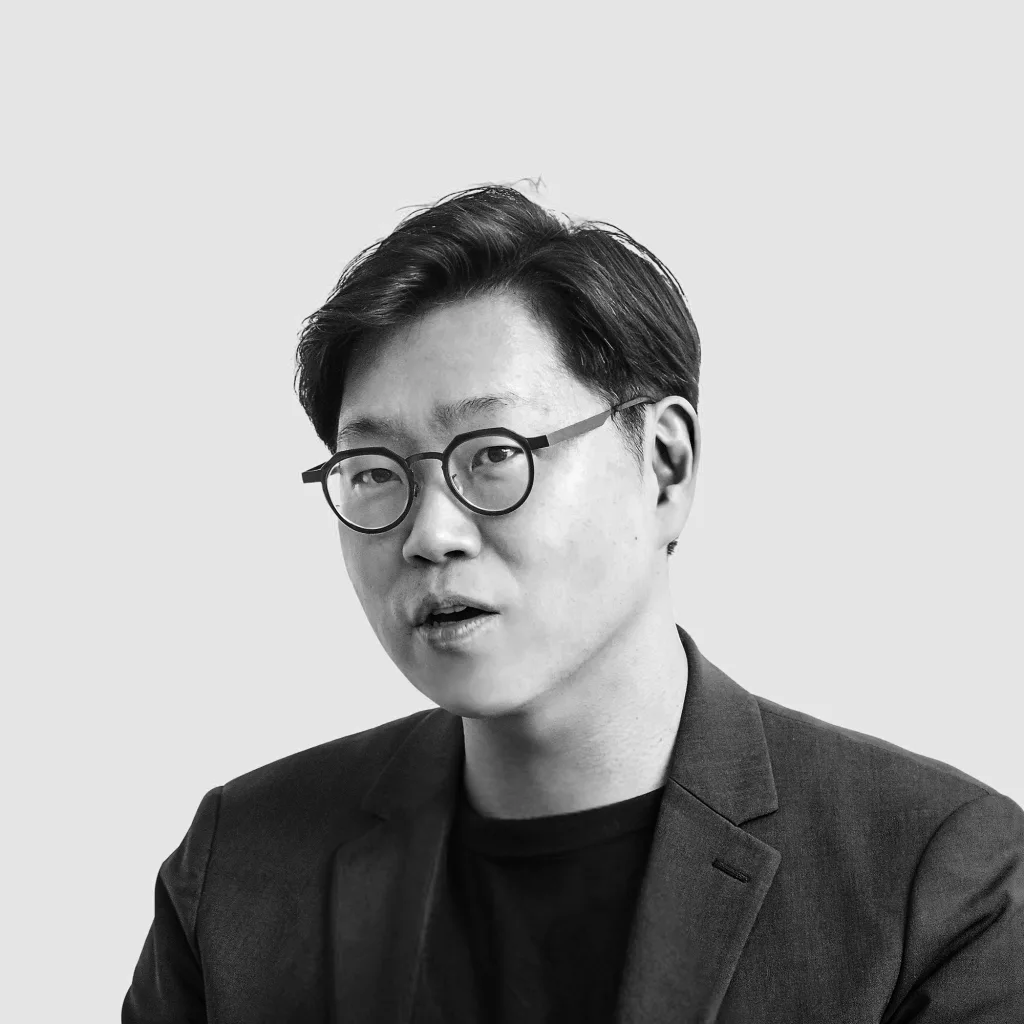
Juho Kim
Associate Professor, KAIST School of Computing
Juho Kim
Associate Professor, KAIST School of Computing
At KAIST he directs KIXLAB (the KAIST Interaction Lab). He is also Co-founder and CTO of SkillBench, Inc., an AI-powered platform that helps organizations measure the effectiveness of AI adoption and redesign work processes. Since 2026, he has served on the UN Independent International Scientific Panel on AI. His research in human-computer interaction and human-AI interaction is guided by a vision of Interaction-Centric AI — building AI systems that people can understand, direct, and collaborate with, rather than be replaced by. He is particularly interested in what happens to human judgment, skill, and agency when AI mediates the environments in which people learn and work. He earned his Ph.D. from MIT and gave a keynote at NeurIPS 2022 titled "Interaction-Centric AI."

Klaus Blaum
Director and Scientific Member, Max Planck Institute for Nuclear Physics, Heidelberg former Vice President, Max Planck Society
Klaus Blaum
Director and Scientific Member, Max Planck Institute for Nuclear Physics, Heidelberg former Vice President, Max Planck Society
Klaus Blaum is an experimental physicist known for developing high-precision Penning-trap methods to study exotic nuclei, enabling stringent tests of the Standard Model and advancing our understanding of nuclear structure and astrophysical processes. He studied physics at Johannes Gutenberg University Mainz, completed his PhD in 2000, and then worked at CERN in Geneva. After leading a Helmholtz research group (2004–2007), he became director of the “Stored and Cooled Ions” department at the Max Planck Institute for Nuclear Physics and professor at Heidelberg University. From 2020-2024 he was Vice-President of the Max Planck Society.
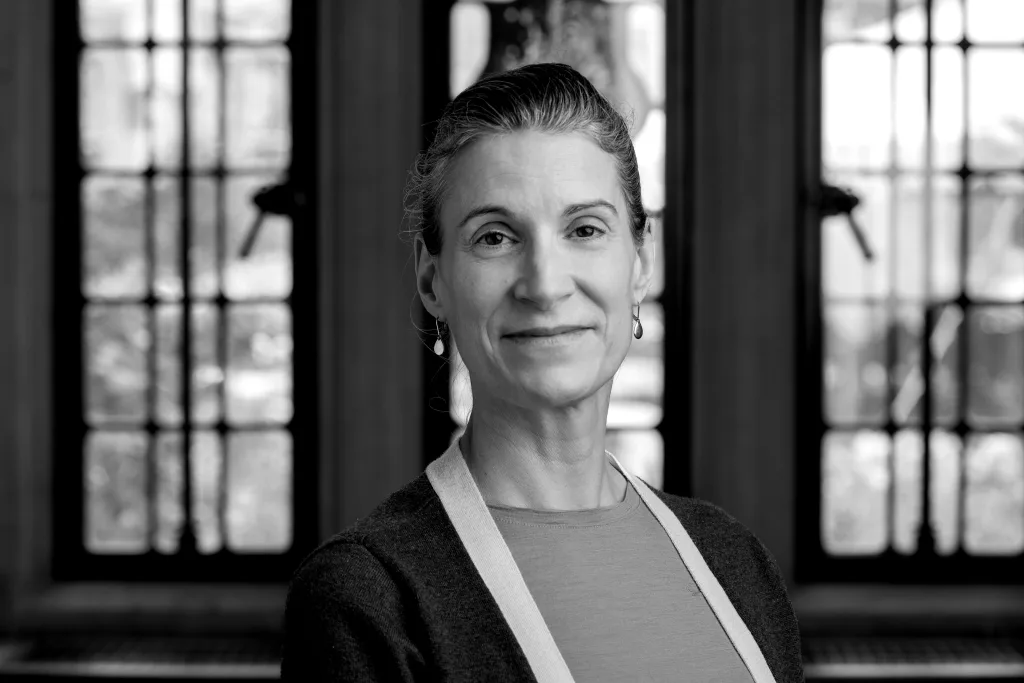
L.A. Paul
Millstone Family Professor of Philosophy and Professor of Cognitive Science at Yale University
L.A. Paul
Millstone Family Professor of Philosophy and Professor of Cognitive Science at Yale University
L.A. Paul is the Millstone Family Professor of Philosophy and Professor of Cognitive Science at Yale University, where she leads the Philosophical and Computational Foundations of Cognition Initiative at the Wu Tsai Institute. Her research focuses on the nature of the self, decision-making, and the metaphysics and cognitive science of time, causation, and experience. She is the author of Transformative Experience (2014) and Causation: A User’s Guide (2013), the latter awarded the American Philosophical Association’s Sanders Book Prize. She has received numerous honors, including the Lebowitz Prize for Philosophical Achievement, fellowships from the Guggenheim Foundation and the National Humanities Center, and a 2023 research award from the Alexander von Humboldt Foundation.
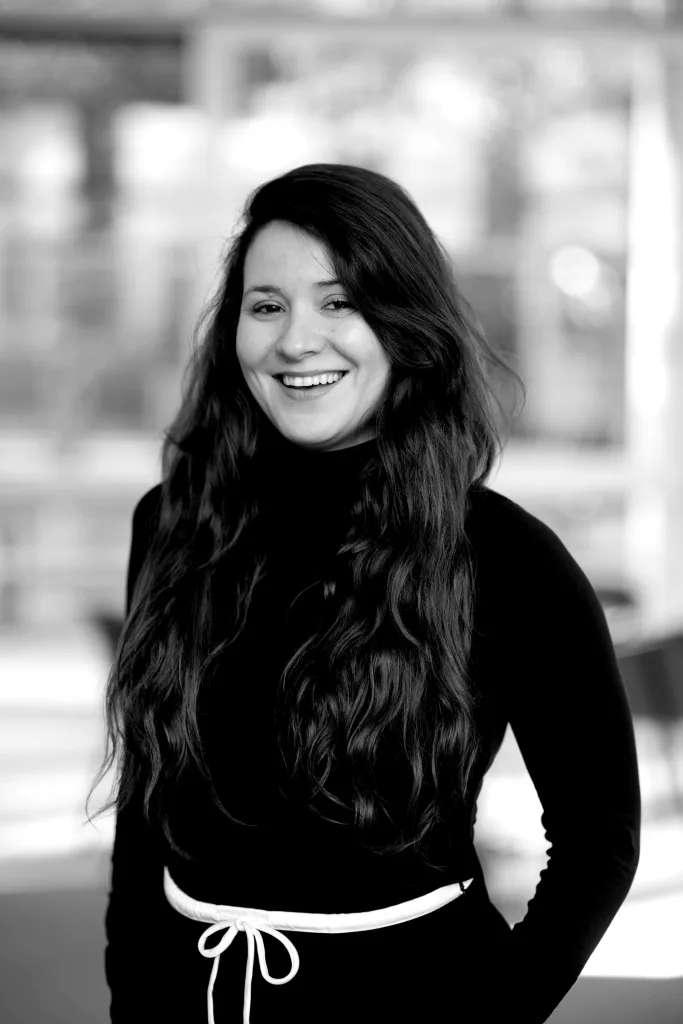
Limor Raviv
Research Group Leader, Max Planck Institute for Psycholinguistics, Nijmegen
Limor Raviv
Research Group Leader, Max Planck Institute for Psycholinguistics, Nijmegen
Why are there so many different languages in the world? How and why did languages emerge in our species? And what are the social, environmental, and cognitive pressures that shape the structure of language past and present? These are fascinating questions that represent the topics of my research so far. In my lab, we simulate the cultural evolution of language de novo and in silico using novel behavioral paradigms combined with state-of-the-art computational models. These include group communication games, virtual reality experiments, swarm robotics models, emergent communication simulations with deep learning neural networks, comparative work on animal communication, and more.
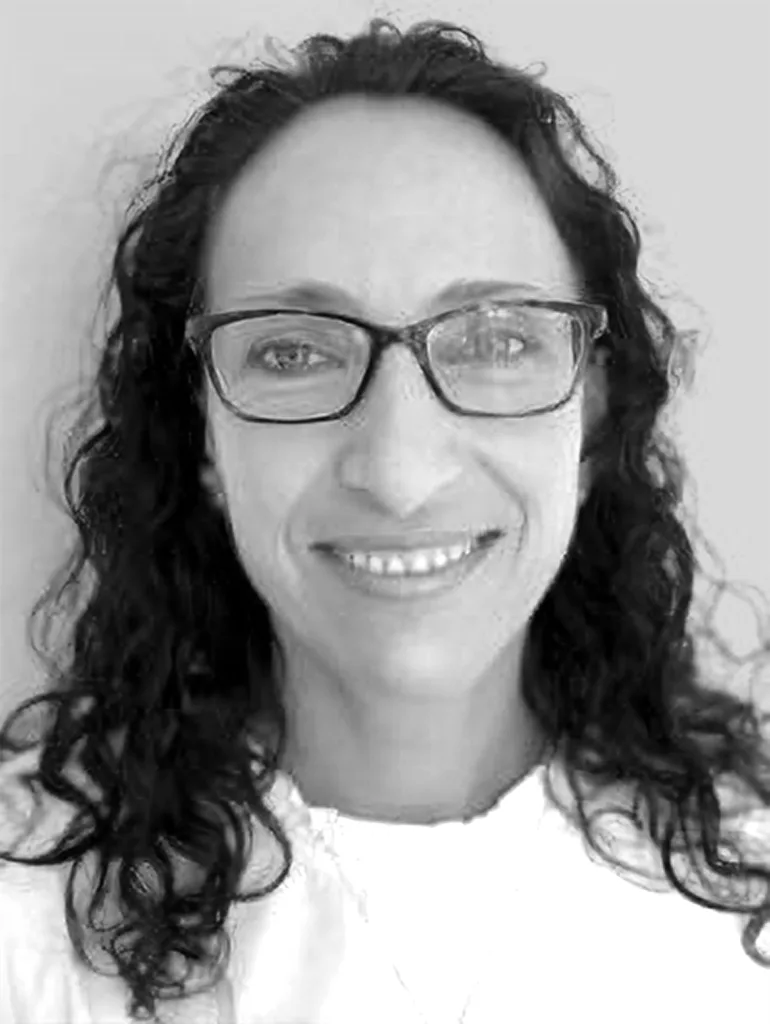
Lucia Melloni
Professor of Neuroscience “Predictive Brain”, Ruhr University Bochum; Visiting Professor of Neuroscience, NYU Grossman School of Medicine
Lucia Melloni
Professor of Neuroscience “Predictive Brain”, Ruhr University Bochum; Visiting Professor of Neuroscience, NYU Grossman School of Medicine
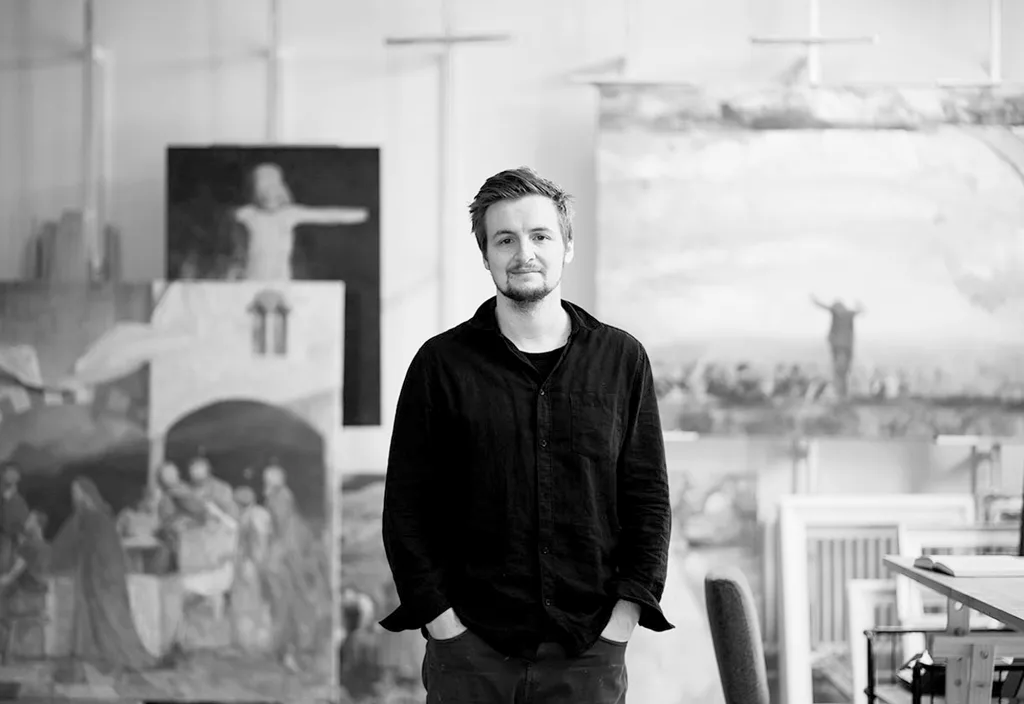
Manuel Andreas Dürr
Artist
Manuel Andreas Dürr
Artist
Manuel Andreas Dürr (*1989) studied painting at the Classical Academy of Art in Florence and later philosophy, art history and Slavic studies at the Universities of Fribourg and Bern. His works have been shown in international exhibitions in Europe, China and the USA. He works as a freelance artist in Biel (Switzerland) and runs the studio together with his wife Anja. They have three children.
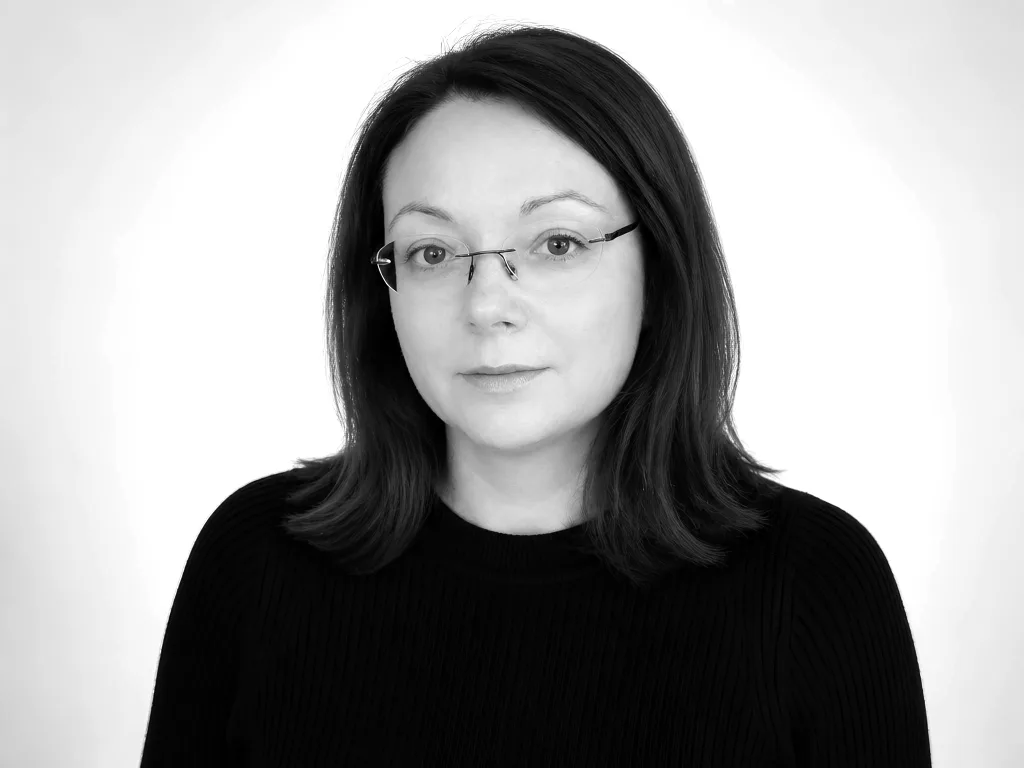
Maria A. Castaldi
PhD, Physician-scientist and specialist in Obstetrics and Gynecological Oncology
Maria A. Castaldi
PhD, Physician-scientist and specialist in Obstetrics and Gynecological Oncology
Dr. Maria Antonietta Castaldi, MD, PhD, is a physician-scientist and specialist in Obstetrics and Gynecological Oncology, whose interdisciplinary work explores the intersection of medicine, bioethics, theology, and philosophy. A 2025 Columbia University scholar, Dr. Castaldi serves as director of the High-Risk Pregnancy Unit at San Giovanni di Dio e Ruggi d’Aragona University Hospital and as adjunct professor of Obstetrics and Gynecology at the Midwifery School of the University of Salerno. Dr. Castaldi is currently completing a Licentiate degree in Bioethics at the Pontifical Athenaeum Regina Apostolorum in Rome, from where she has also earned a Master’s degree in Science and Faith. She completed a PhD in Translational Medicine and conducted research on ...
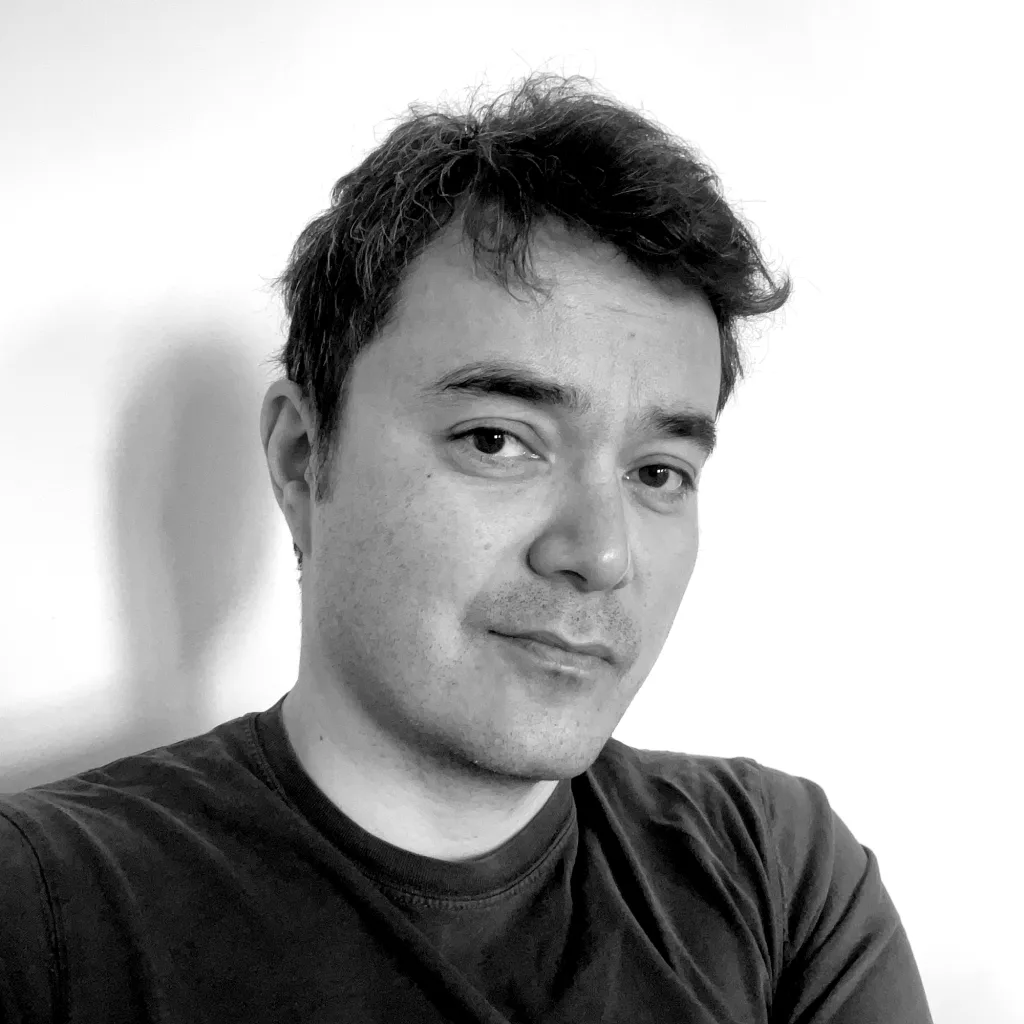
Mario Verdicchio
Associate Professor in Logic and Philosophy of Science, University of Bergamo, Italy
Mario Verdicchio
Associate Professor in Logic and Philosophy of Science, University of Bergamo, Italy
Mario Verdicchio has a PhD in Information Engineering from Politecnico di Milano, Italy, and is currently working as an Associate Professor in Logic and Philosophy of Science at the University of Bergamo, Italy. His interests include Artificial Intelligence, Philosophy of Technology, and Computer Art. He co-founded the international conference series xCoAx on Computation, Communication, Aesthetics, and X (xcoax.org), authored and co-authored 3 books at the intersection between Computer Science and Humanities and several journal articles and book chapters both in English and Italian.
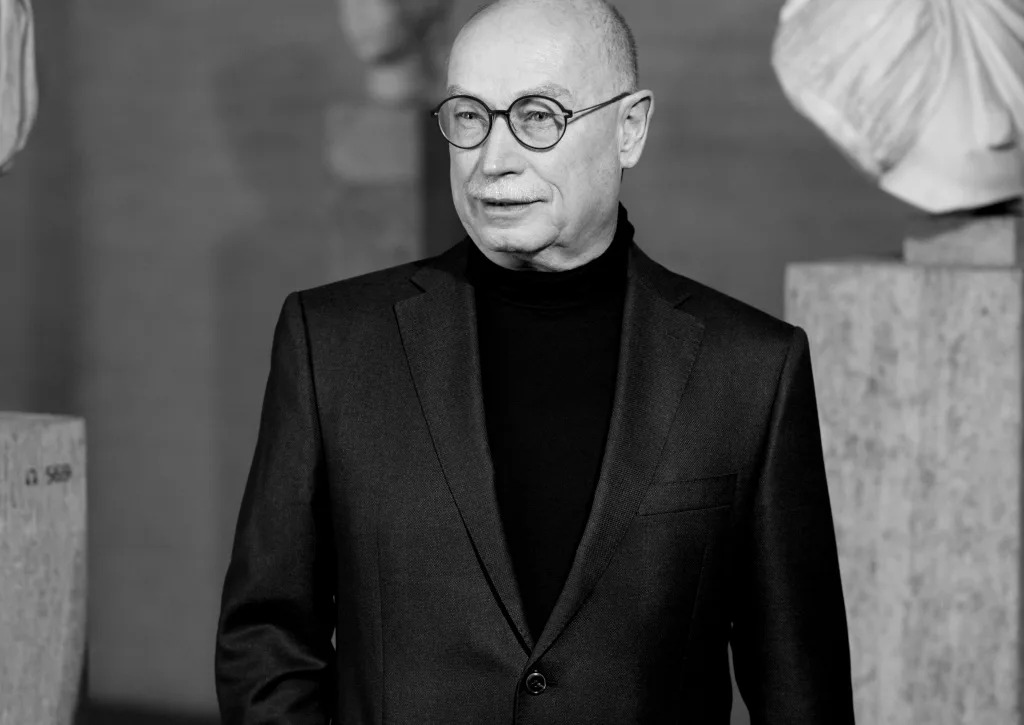
Martin Stratmann
President Emeritus, Max Planck Society, Board of Trustees, kata agorein Foundation
Martin Stratmann
President Emeritus, Max Planck Society, Board of Trustees, kata agorein Foundation
Martin Stratmann studied chemistry in Bochum and earned his PhD at the Max Planck Institute for Iron Research in 1982. Following research in the US and a professorship in Erlangen, he became a Director at the Max Planck Institute (now for Sustainable Materials) in 2000.
He served as President of the Max Planck Society (2014–2023), during which he advised the German Chancellor on science. A Fellow of the Electrochemical Society, his awards include the Otto Hahn Medal and the UR Evans Award. He holds an honorary doctorate from the University of Buenos Aires and is a member of the Leopoldina, acatech, and the NRW Academy of Sciences.
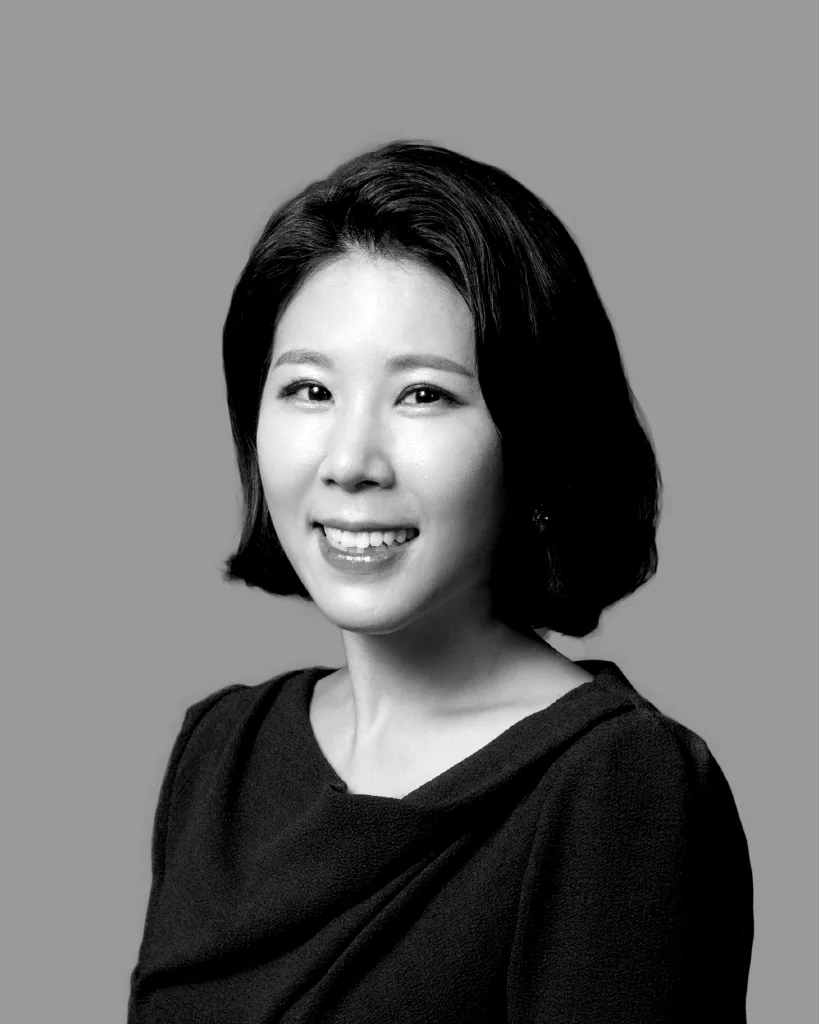
Meeyoung Cha
Director Max Planck Institute for Security and Privacy, Bochum; Professor, Korea Advanced Institute for Science and Technology
Meeyoung Cha
Director Max Planck Institute for Security and Privacy, Bochum; Professor, Korea Advanced Institute for Science and Technology
Meeyoung (Mia) Cha is a pioneering researcher at the intersection of AI, data science, and computational social science. As a Scientific Director at the Max Planck Institute for Security and Privacy (MPI-SP) and Professor at KAIST, she has established a global benchmark for applying computational rigor to humanitarian challenges. Her research spans from the field’s earliest million-scale rumor propagation models to the deployment of high-resolution satellite imagery for global poverty mapping and anti-corruption. These transformative frameworks are utilized by international bodies like UNICEF and the World Customs Organization to ensure economic transparency.
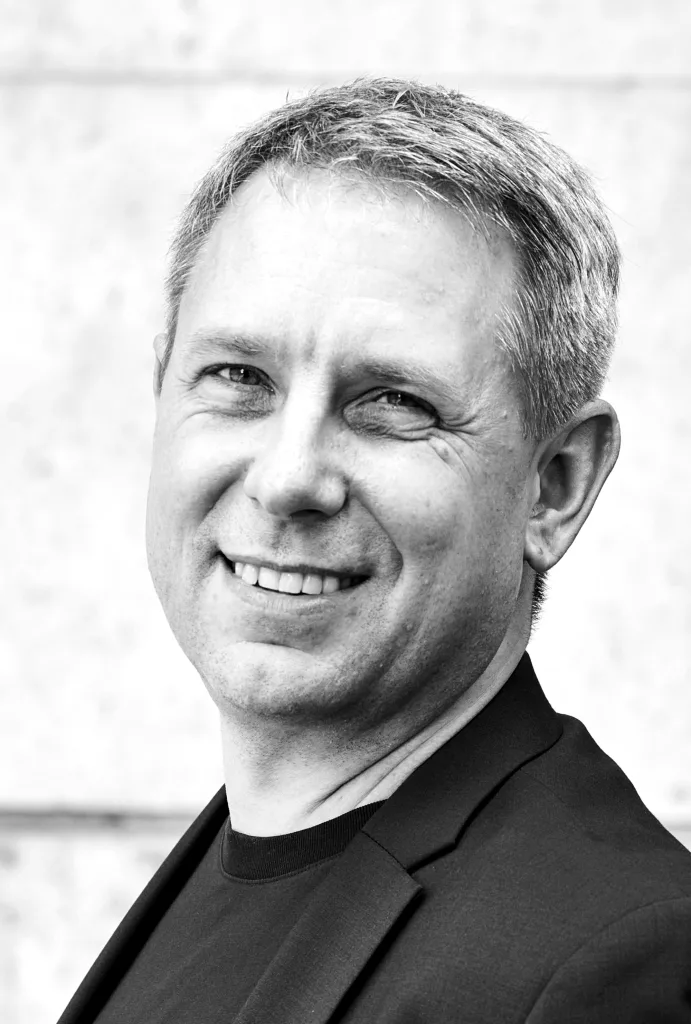
Niels Pinkwart
Vice President for Teaching and Research at Humboldt University Berlin
Niels Pinkwart
Vice President for Teaching and Research at Humboldt University Berlin
Since October 2021, Prof. Dr. Niels Pinkwart is Vice President for Academic Affairs at Humboldt-Universität zu Berlin. He studied Computer Science and Mathematics in a teacher education program at the University of Duisburg. Here, he also completed his PhD studies in 2005 with a dissertation on collaborative modeling systems in education. After a post-doctoral researcher position at the Human-Computer Interaction Institute of Carnegie Mellon University, he accepted offers for Assistant Professor and Associate Professor positions at Clausthal University of Technology. In 2013, he moved to Humboldt-Universität zu Berlin where he heads the research group "Computer Science Education / Computer Science and Society".
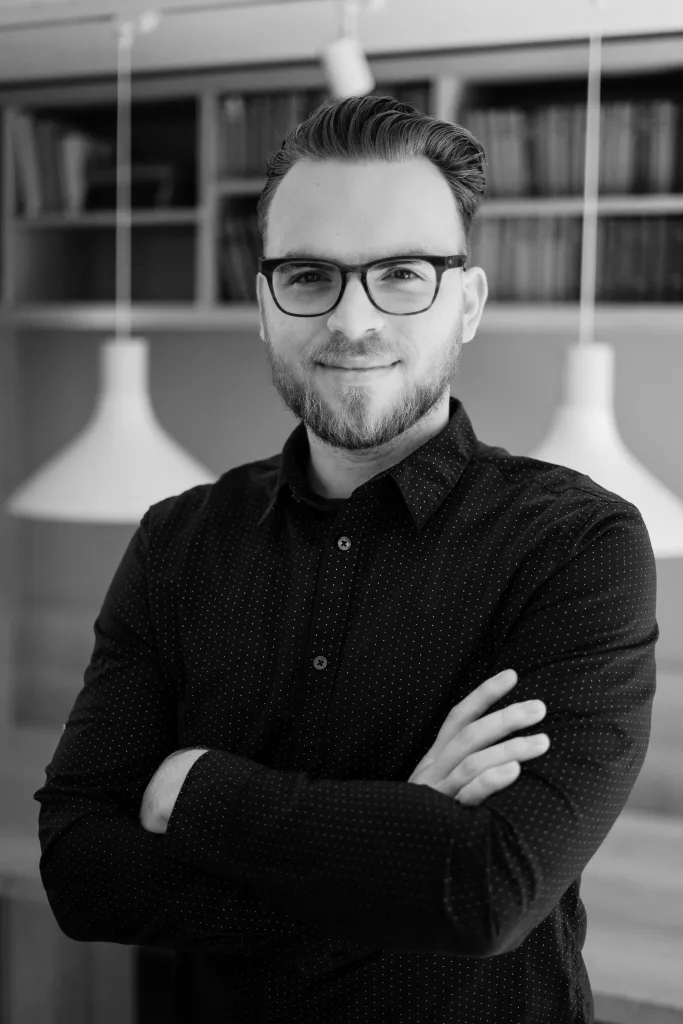
Oliver Dürr
Director, Center for Faith and Society, Université de Fribourg; Oxford Collaboration for Theology and Artificial Intelligence
Oliver Dürr
Director, Center for Faith and Society, Université de Fribourg; Oxford Collaboration for Theology and Artificial Intelligence
Dr. Oliver Dürr is the Director of the Center for Faith & Society at Fribourg University in Switzerland as well as a Postdoc Researcher at the University of Zurich Research Priority Program Digital Religion(s). He is a theologian and historian (graduated both with highest honors), book author, film director and podcaster. His academic research focuses on the theology of technology, the future of anthropology and the ways of life that lead to a flourishing life – biologically, socially and spiritually. He heads the research network focused critically on “Contesting Computer Anthropologies” and constructively on developing the contours of an “Inclusive Humanism.” Among his publications is an interdisciplinary work program for the humanities engaging AI technologies.
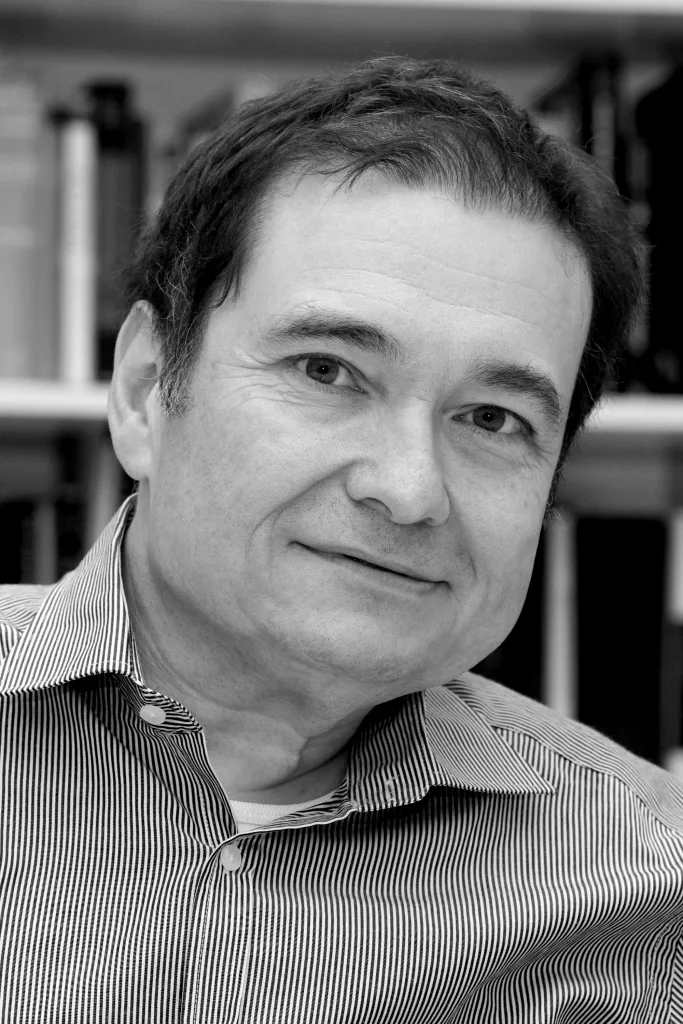
Onur Güntürkün
Professor of Biopsychology, Ruhr-Universität Bochum
Onur Güntürkün
Professor of Biopsychology, Ruhr-Universität Bochum
“Can different kinds of brains produce the same cognition?” or “Why are brains asymmetrically organized?”. I have spent many years in different universities and science institutions on five continents and work (in descending order) with pigeons, humans, dolphins, corvids, and crocodiles as experimental subjects. I would call myself a cognitive and comparative neuroscientist who works with research approaches ranging from field work via single cell recordings, behavioral experiments and neuroanatomy up to brain imaging at ultrahigh magnetic fields. I am an elected member of several scientific academies, including the German Academy of Sciences Leopoldina, and have received numerous scientific awards, including the Leibniz Prize, TÜBITAK Special Prize and the European ERC Advanced Grant.
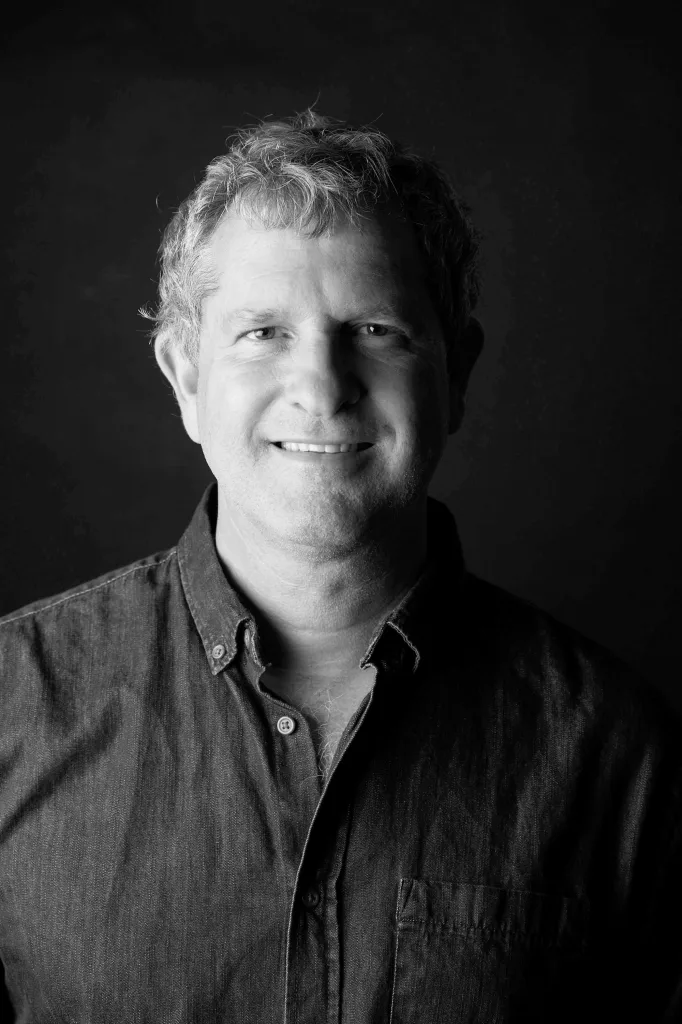
Oren Harman
Senior Research Fellow, Van Leer Jerusalem Institute; Professor of the History of Science, Bar-Ilan University
Oren Harman
Senior Research Fellow, Van Leer Jerusalem Institute; Professor of the History of Science, Bar-Ilan University
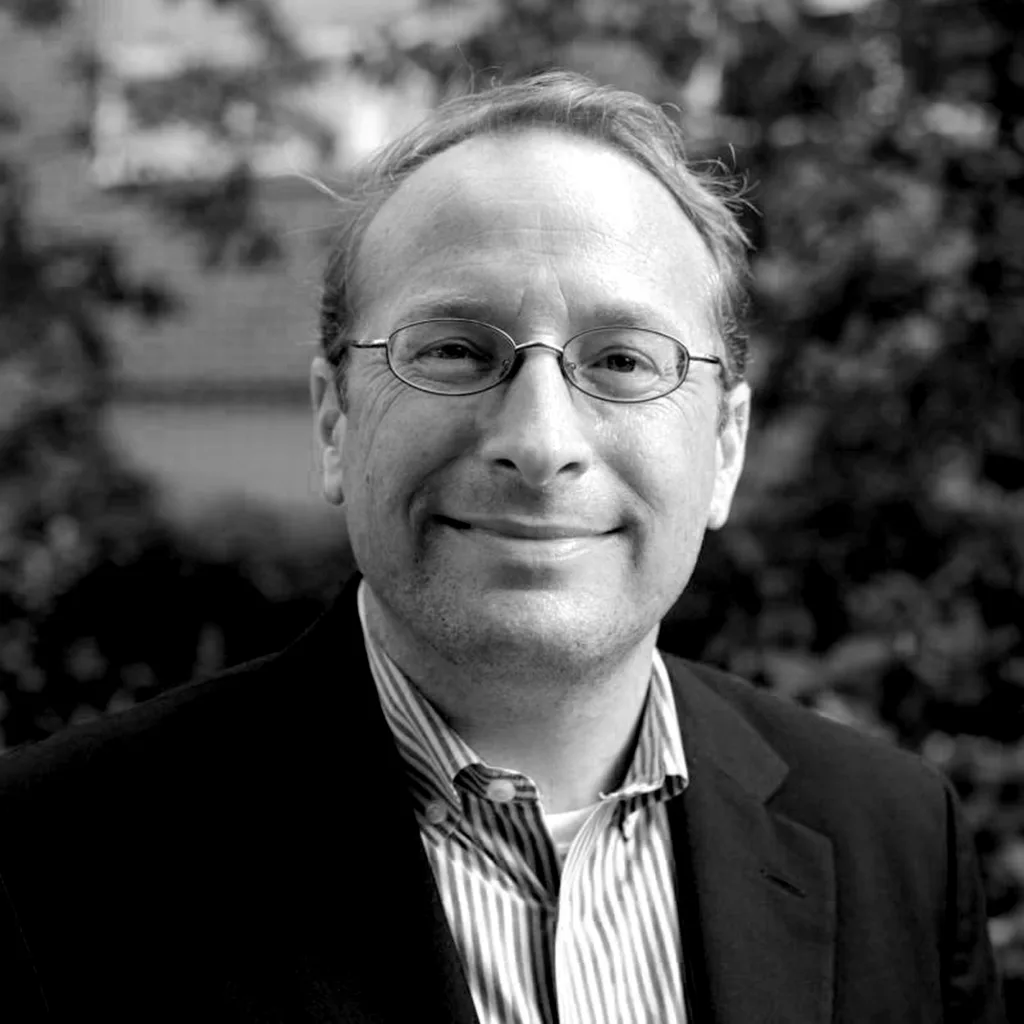
Paul Scherz
Our Lady of Guadalupe Professor of Theology, University of Notre Dame
Paul Scherz
Our Lady of Guadalupe Professor of Theology, University of Notre Dame
Paul Scherz is the Our Lady of Guadalupe Professor of Theology at the University of Notre Dame and a Program Chair for the Notre Dame-IBM Tech Ethics Lab. His work examines the intersection of theology, science, medicine, and technology. He is the author of The Ethics of Precision Medicine (Notre Dame), Tomorrow’s Troubles: Risk, Anxiety, and Prudence in an Age of Algorithmic Governance (Georgetown), and Science and Christian Ethics (Cambridge). He is a member of the Vatican Centre for Digital Culture’s AI Research Group, and co-editor of Encountering Artificial Intelligence: Ethical and Anthropological Investigations and Reclaiming Human Agency in an Age of AI.
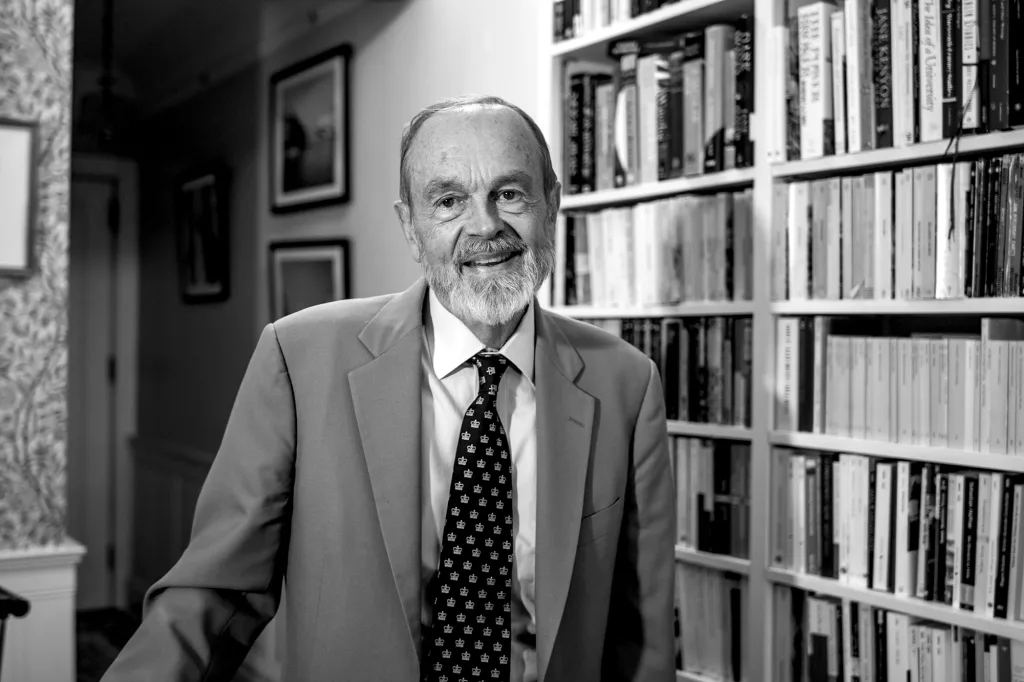
Philip Kitcher
John Dewey Professor Emeritus of Philosophy, Columbia University
Philip Kitcher
John Dewey Professor Emeritus of Philosophy, Columbia University
Philip Kitcher is the John Dewey Professor of Philosophy, Emeritus, at Columbia University, and an Honorary Fellow of Christ’s College Cambridge. His philosophical work ranges from the philosophy of mathematics, the philosophy of science, and the philosophy of biology to ethics, political philosophy, philosophy of education and philosophy in literature and music. His twenty-two books include Vaulting Ambition: Sociobiology and the Quest for Human Nature (1985; awarded the Lakatos Prize for books in the philosophy of science); The Advancement of Science (1993), The Lives to Come:The Genetic Revolution and Human Possibilities (1996), Science, Truth, and Democracy (2001), Living with Darwin (2007; winner of a Lannan Foundation Notable Book award), The Ethical Project (2011), ...
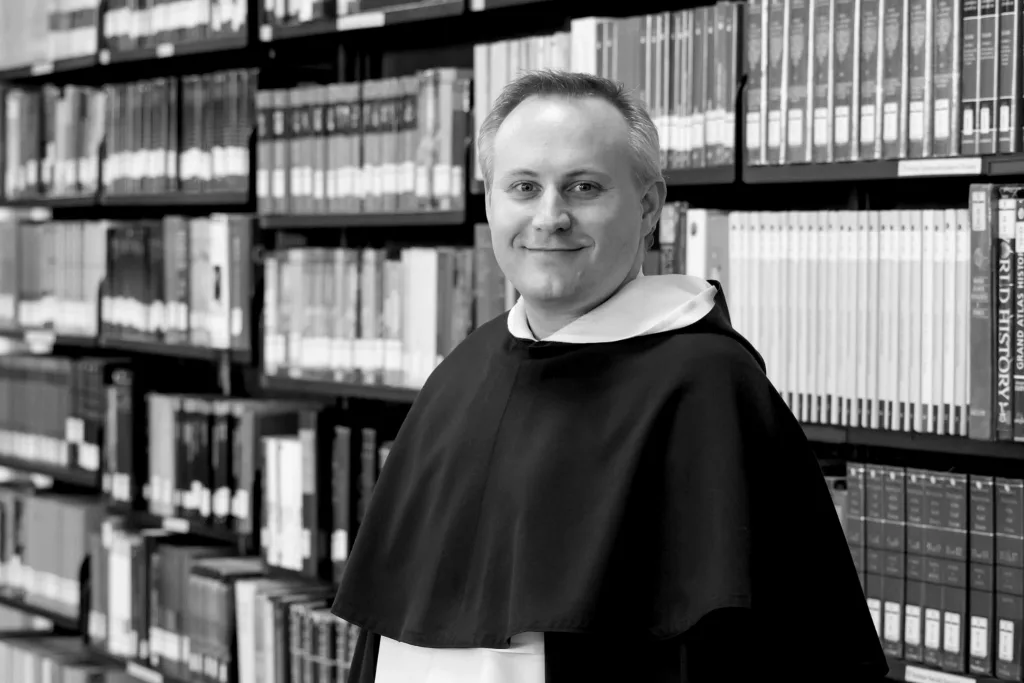
Philip-Neri Reese OP
Pontifical University of Saint Thomas Aquinas Angelicum, Rome
Philip-Neri Reese OP
Pontifical University of Saint Thomas Aquinas Angelicum, Rome

Ronghuai Huang
Professor and Executive Dean, Faculty of Education, Beijing Normal University
Ronghuai Huang
Professor and Executive Dean, Faculty of Education, Beijing Normal University
HUANG Ronghuai is a Professor in the Faculty of Education at Beijing Normal University (BNU). He currently serves as the Co-Dean of the Smart Learning Institute of BNU, the Director of the National Engineering Research Center for Cyberlearning and Intelligent Technology, and the Director of the Educational Informatization Strategy Research Base (Beijing) of the Ministry of Education of China. He also holds the UNESCO Chair on Artificial Intelligence in Education. In addition, he serves as the Secretary-General of the Expert Group on Education Informatization of the Ministry of Education of China, a Member of the Science Subject Expert Committee of the National Textbook Commission, and the Editor-in-Chief of Springer journals Journal of Computers in Education and Smart Learning Environments
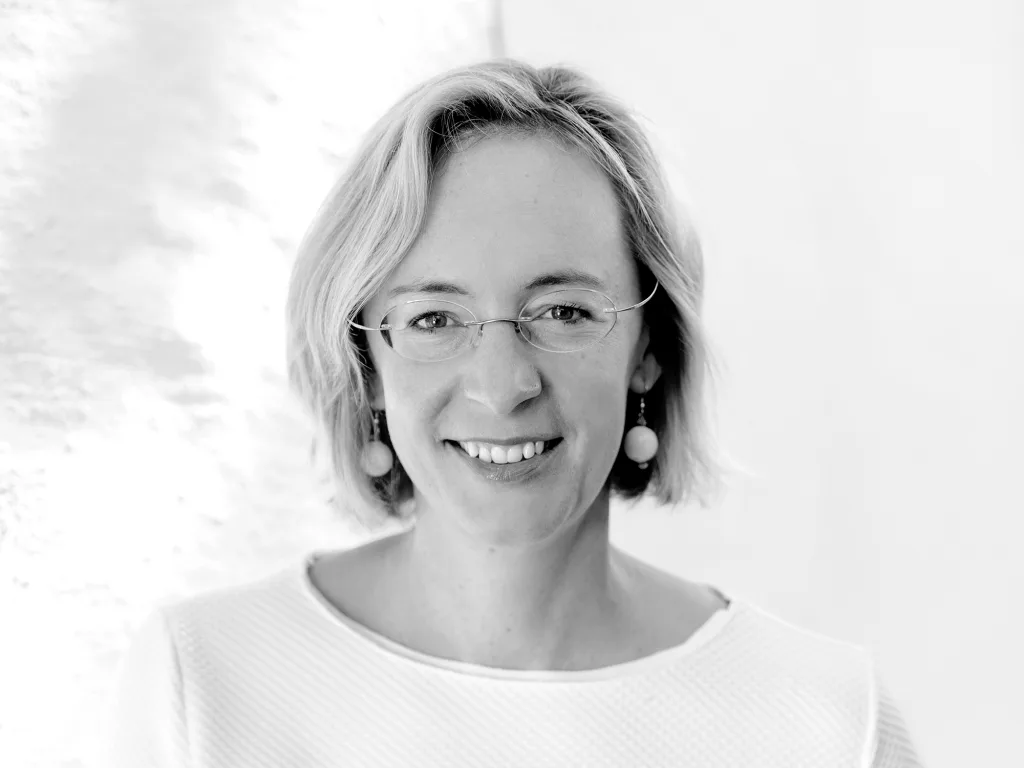
Sarah Spiekermann
Professor of Information Systems, Vienna University of Economics and Business
Sarah Spiekermann
Professor of Information Systems, Vienna University of Economics and Business
Sarah Spiekermann Hoff holds the Chair of Information Systems & Society at Vienna University of Economics and Business (WU). She is a scientist, lecturer and author in the field of digital ethics, IT innovation, digital privacy and future studies. After advisory functions in various committees of international organizations such as the EU Commission or the OECD, she vice-chaired the development of the first global standard for ethical IT system design (ISO/IEEE 24748-7000) for the IEEE from 2016-2021. She has written two re-known textbooks: ‘Value-based Engineering’ (VBE) (De Gruyter, 2023) and ‘Ethical IT Innovation’ (Tailor & Francis, 2016), the non-fiction book ‘Digitale Ethik’ (Droemer, 2019; forthcoming in English in 2025) and over 100 scientific articles.
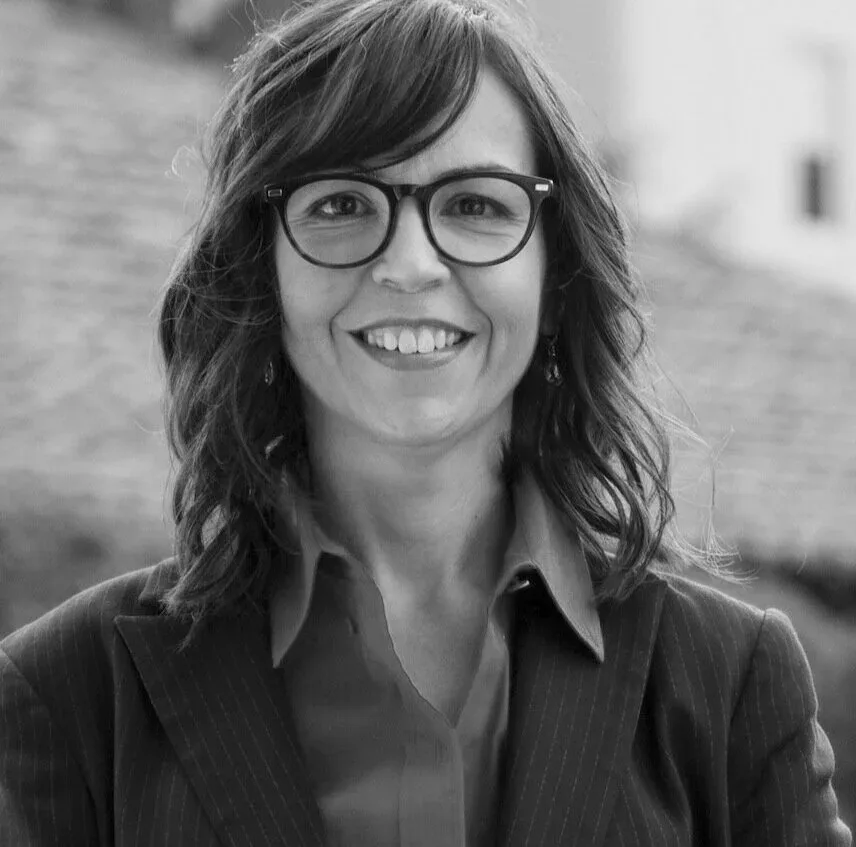
Shannon Vallor
Baillie Gifford Professor in the Ethics of Data and Artificial Intelligence, and Director of the Center for Technomoral Futures, University of Edinburgh
Shannon Vallor
Baillie Gifford Professor in the Ethics of Data and Artificial Intelligence, and Director of the Center for Technomoral Futures, University of Edinburgh
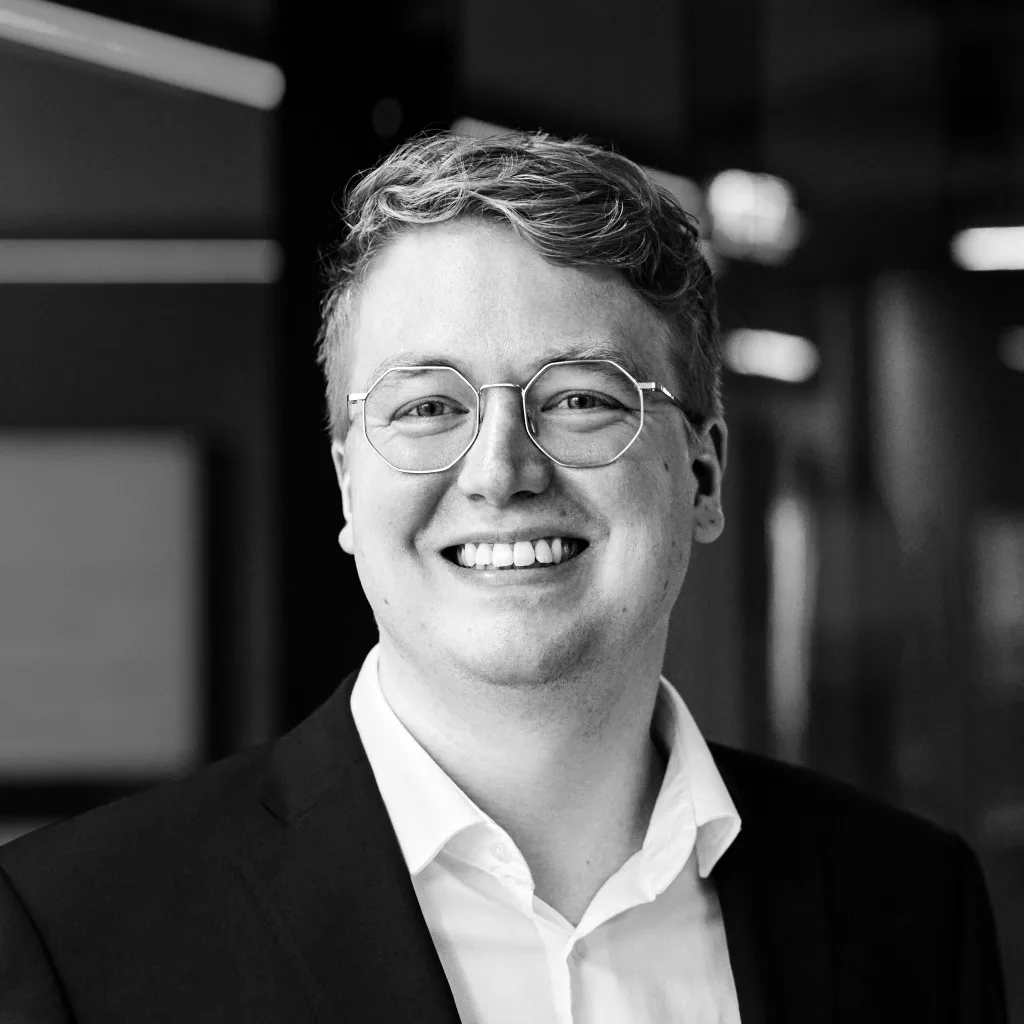
Steffen Schneider
Head of Dynamical Inference Lab at Helmholtz Munich
Steffen Schneider
Head of Dynamical Inference Lab at Helmholtz Munich
Steffen Schneider is a tenure-track group leader at Helmholtz Munich and an associated faculty member at the Graduate School of Systemic Neurosciences at LMU Munich and the Munich Center for Machine Learning. He develops statistical methods for modeling and understanding biological dynamical systems. He completed his PhD in Neuroscience through the ELLIS program at EPFL and the Tübingen AI Center. Previously, he was an AI Resident at Meta, where he worked on self-supervised contrastive learning for speech recognition. Beyond research, he founded the nonprofit KI macht Schule (“AI at Schools”) in 2019 to promote AI literacy and computational thinking. His doctoral work was supported by a Google PhD Fellowship and recognized with the EPFL Doctoral Award.
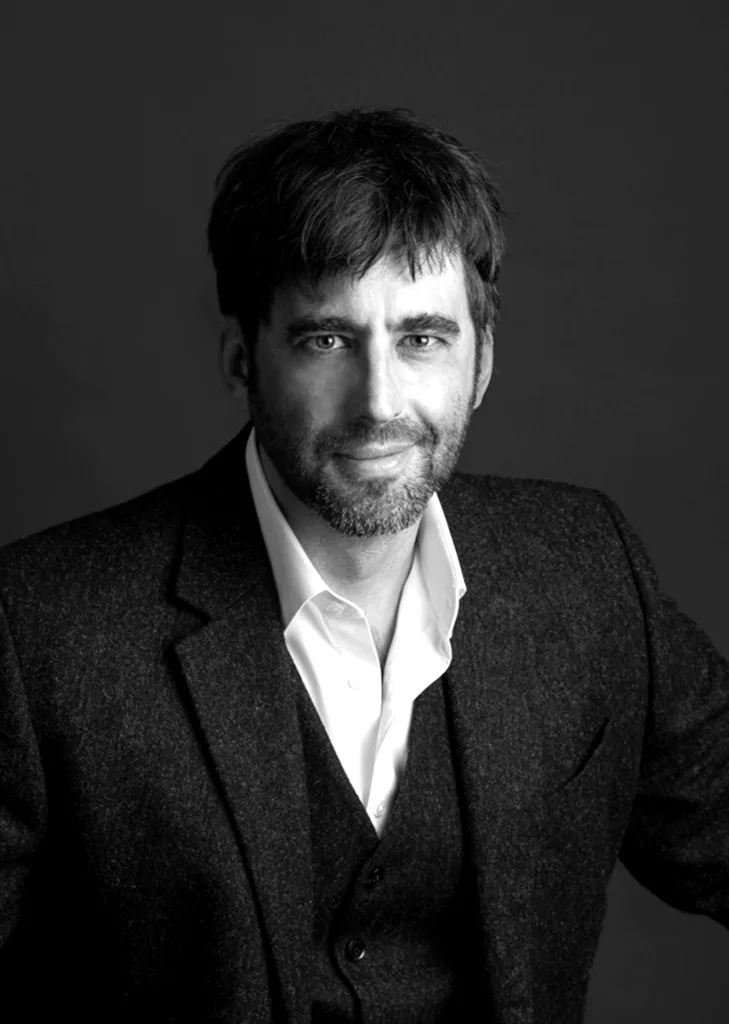
Stephen Blackwood
President, Ralston College
Stephen Blackwood
President, Ralston College
Stephen Blackwood is the founding President of Ralston College, a new university in Savannah, USA, devoted to the revival and renewal of the university through an absolute commitment to the pursuit of truth and to the freedoms on which that pursuit depends. Dr Blackwood was educated in Classics (BA, MA) and Religion (PhD), and has held visiting positions at Harvard University, the University of Toronto, and the University of Cambridge. He sits on the Advisory boards for the Roger Scruton Legacy Foundation and the Alliance For Responsible Citizenship (ARC). His book on Boethius was published by Oxford University Press.
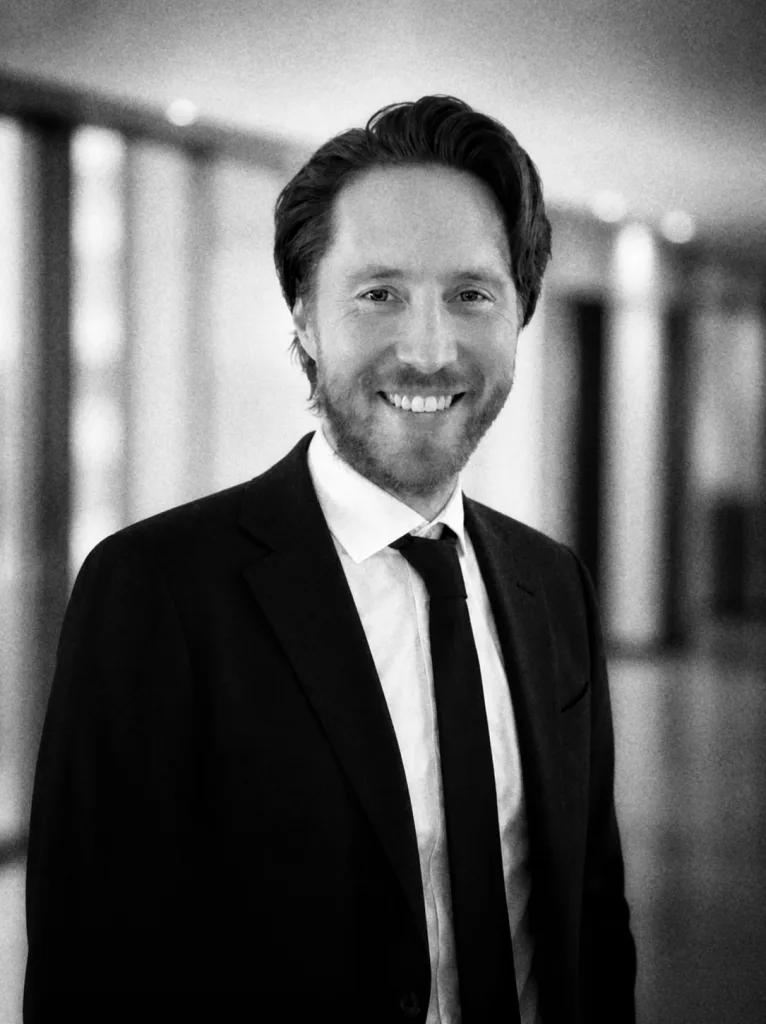
Tobias Hauck
Policy Officer for communications at the German Federal Ministry of Finance
Tobias Hauck
Policy Officer for communications at the German Federal Ministry of Finance
Tobias Hauck is an communications specialist working at the intersection of digital transformation, cultural policy, and public engagement. With a background spanning economics and history of arts, his interdisciplinary approach bridges institutional strategy and cultural discourse. Currently he is a Policy Officer for communications at the German Federal Ministry of Finance. Tobias Hauck has advised cultural organizations, startups, and public institutions across Europe, creating dialogue formats and accessible narratives. Drawing on experience in government, consulting, and media, he contributes a practice-oriented perspective on how AI reshapes personality, cultural production, and democratic participation in rapidly evolving environments.
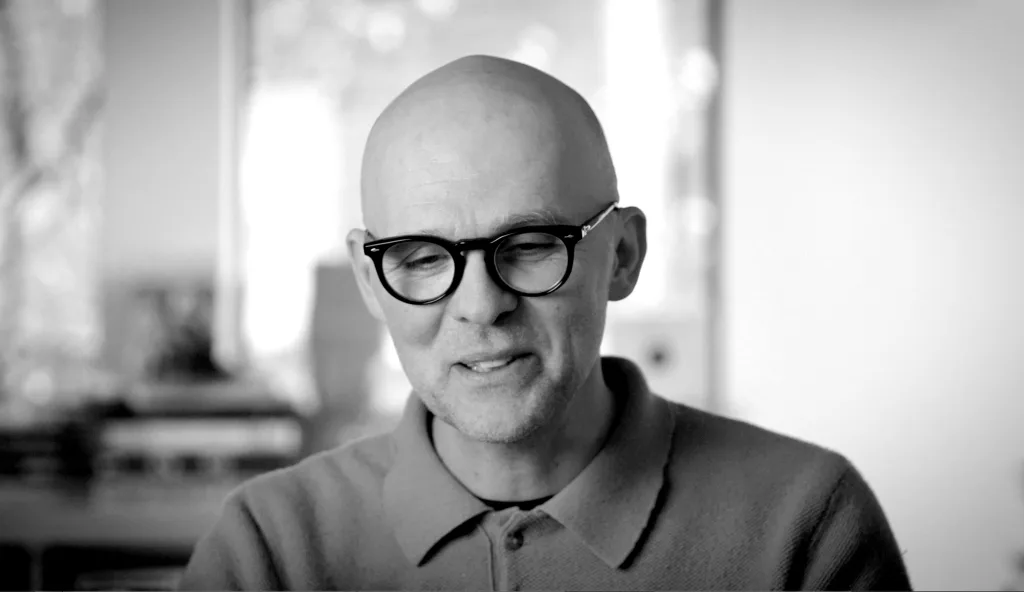
Tobias Rees
Founder and CEO of limn.ai
Tobias Rees
Founder and CEO of limn.ai
Tobias Rees is the founder of Stella Matutina, a school + labs dedicated to philosophical R&D. Prior he held a William Dawson Chair at McGill University; was Reid Hoffman University Professor of Humanities at Parsons/The New School; and served as Director of Berggruen Institute. He also founded Transformation of the Human, a short lived but insightful attempt to build a new Bauhaus. Rees is a Senior AI 2050 Fellow at Schmidt Sciences, a Senior Visiting Fellow at Google, and CEO of Limn.ai
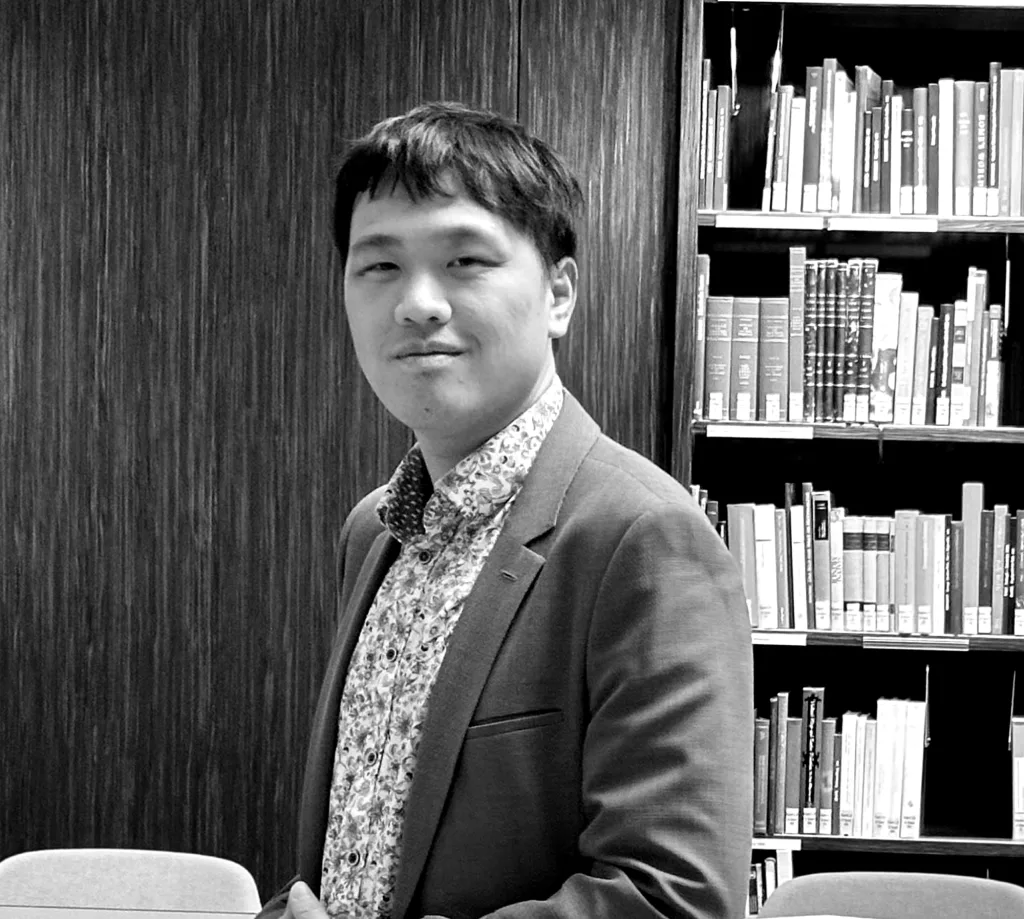
X. Alvin Yang
Visiting Postdoctoral Fellow MPIWG
X. Alvin Yang
Visiting Postdoctoral Fellow MPIWG
X. Alvin Yang is an interdisciplinary scholar of international relations, global political economy, and the sociology of knowledge. His research examines how epistemic infrastructures—emerging technologies, scientific systems, technological standards, and cultural platforms—shape global order. He analyzes how these infrastructures produce authority, hierarchy, and legitimacy in world politics, as well as create inequality in the global economy. His recent publications include a co-edited special issue, “Transculturality of Anti-Asian Racism,” published in Sociological Inquiry, and the co-edited book, “Anti-Asian Racism and the COVID-19 Pandemic in Canada,” which received the Canadian Scholarly Book Award.
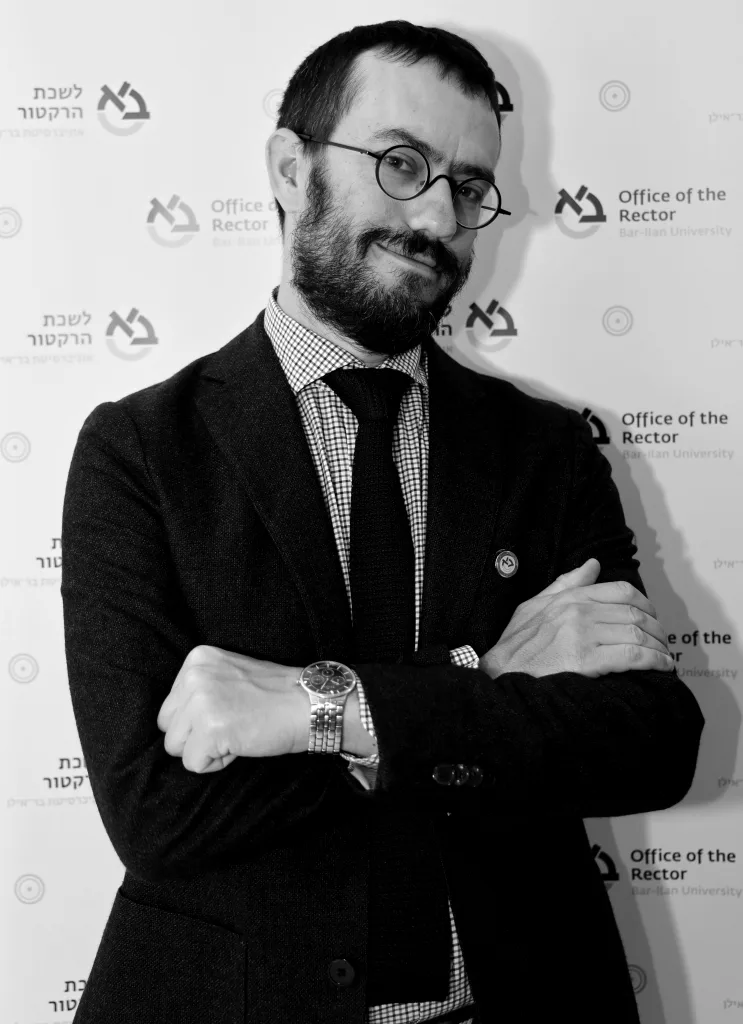
Yehuda Halper
Professor of Jewish Philosophy, Bar-Ilan University
Yehuda Halper
Professor of Jewish Philosophy, Bar-Ilan University
Yehuda Halper is professor in the Department of Jewish Philosophy at Bar Ilan University and Visiting Professor in the Divinity School at the University of Chicago. He is a PI on the SchmidtSciences HAVI project, "Connectivity and Individuality in Textual Traditions" and founder of the digital editing platform, Mahadurot.com. He is author of over 50 articles and his first book, Jewish Socratic Questions in an Age without Plato, won the Goldstein-Goren Prize for the Best Book in Jewish Thought in 2019-2021.
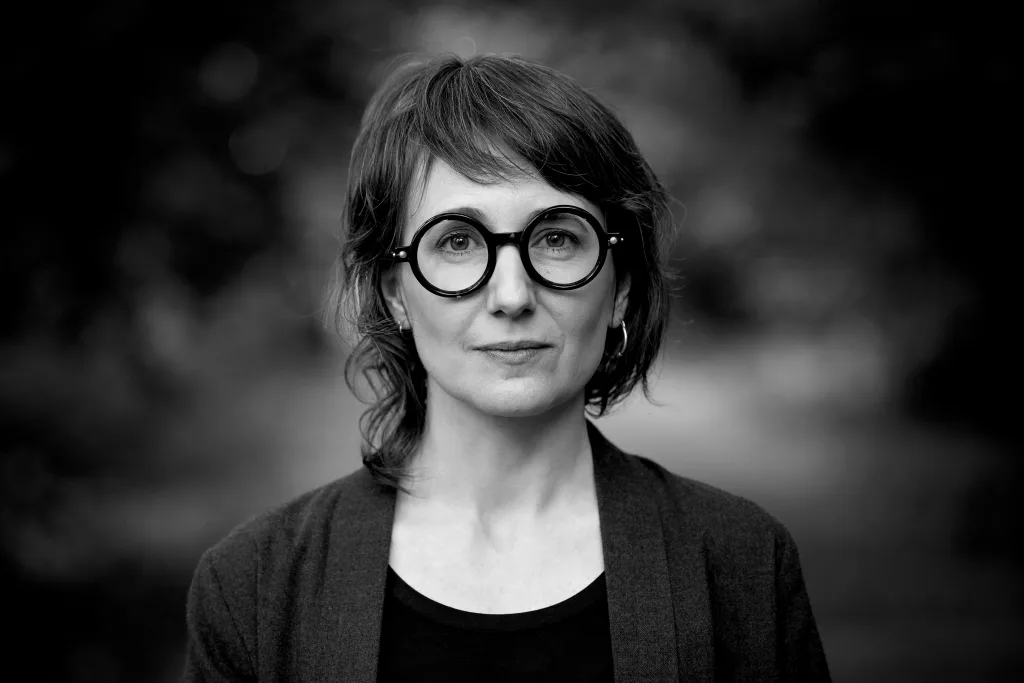
Ylva Söderfeldt
Professor of History of Science and Ideas; Director of the Centre for Medical Humanities, Uppsala University
Ylva Söderfeldt
Professor of History of Science and Ideas; Director of the Centre for Medical Humanities, Uppsala University
Her work focuses on the history of medicine, social, and life sciences, with studies that span intellectual history, history of science, and history of emotions from the early 19th century to the present day. In the ongoing projects ActDisease (www.actdisease.org) and InterSynth Lab ( https://intersynth.ai/), she is working with computational methods to recover the long history of patient organizations, and with interdisciplinary exploration of synthetic data.
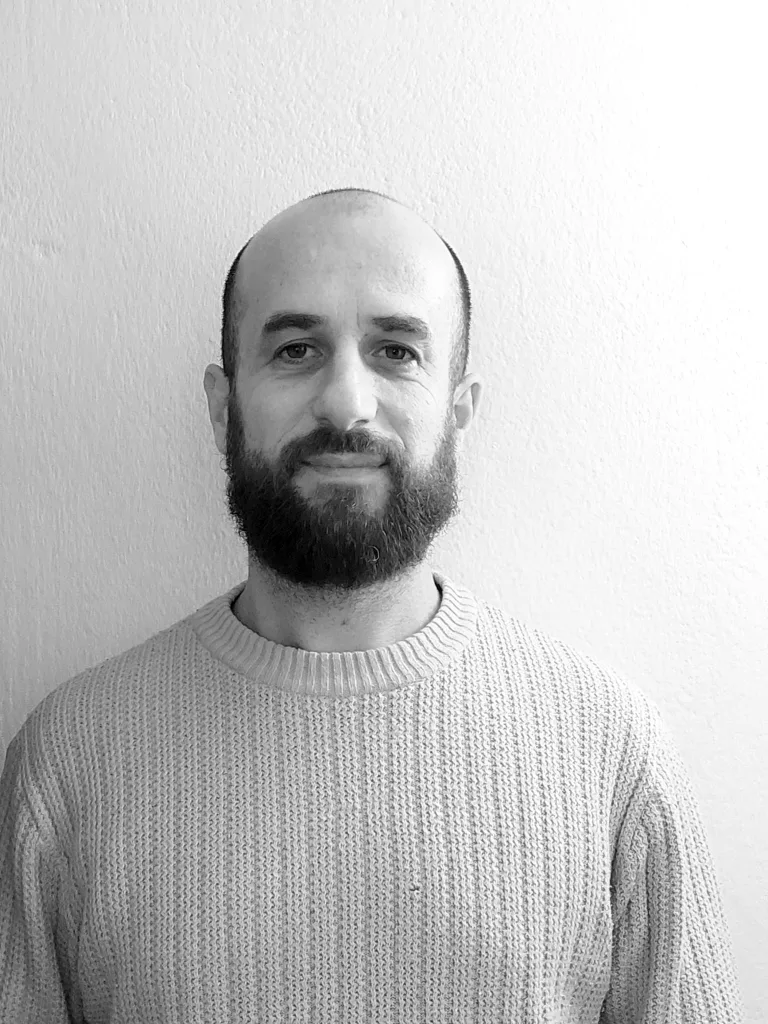
Yoav Beirach
Postdoctoral Research Fellow, Max Planck Institute for the History of Science
Yoav Beirach
Postdoctoral Research Fellow, Max Planck Institute for the History of Science
Yoav Beirach is a philosopher and historian of science and ideas. He is currently a Visiting Postdoctoral Fellow at the Max Planck Institute for the History of Science (MPIWG), Berlin, and a Research Associate of the ERC-funded project NOTCOM: Science and Consensus in the 17th Century, based at the Maison Française d'Oxford. His research spans the history of European musical theory and tonality, the philosophy and epistemology of time and music, and early modern timekeeping technologies. Prior to his current positions, he was a Research Fellow at the Cohn Institute for the History and Philosophy of Science and Ideas, TAU, and at the Department of Arts and Humanities, Technion.
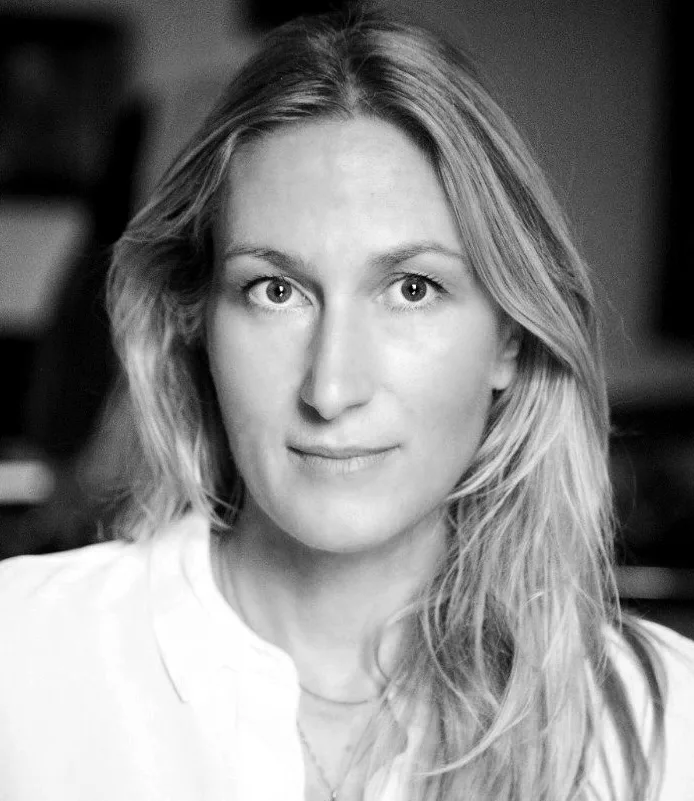
Yvonne von Dohna Schlobitten
Extraordinary Professor, Faculty of History and Cultural Heritage of the Church, Gregoriana
Yvonne von Dohna Schlobitten
Extraordinary Professor, Faculty of History and Cultural Heritage of the Church, Gregoriana